


Acute Technology, Inc
Acute BusFinder BF6264 Pro Protocol Analyser
Acute BusFinder BF6264 Pro Protocol Analyser
SKU: BF7264Pro-Base
Couldn't load pickup availability
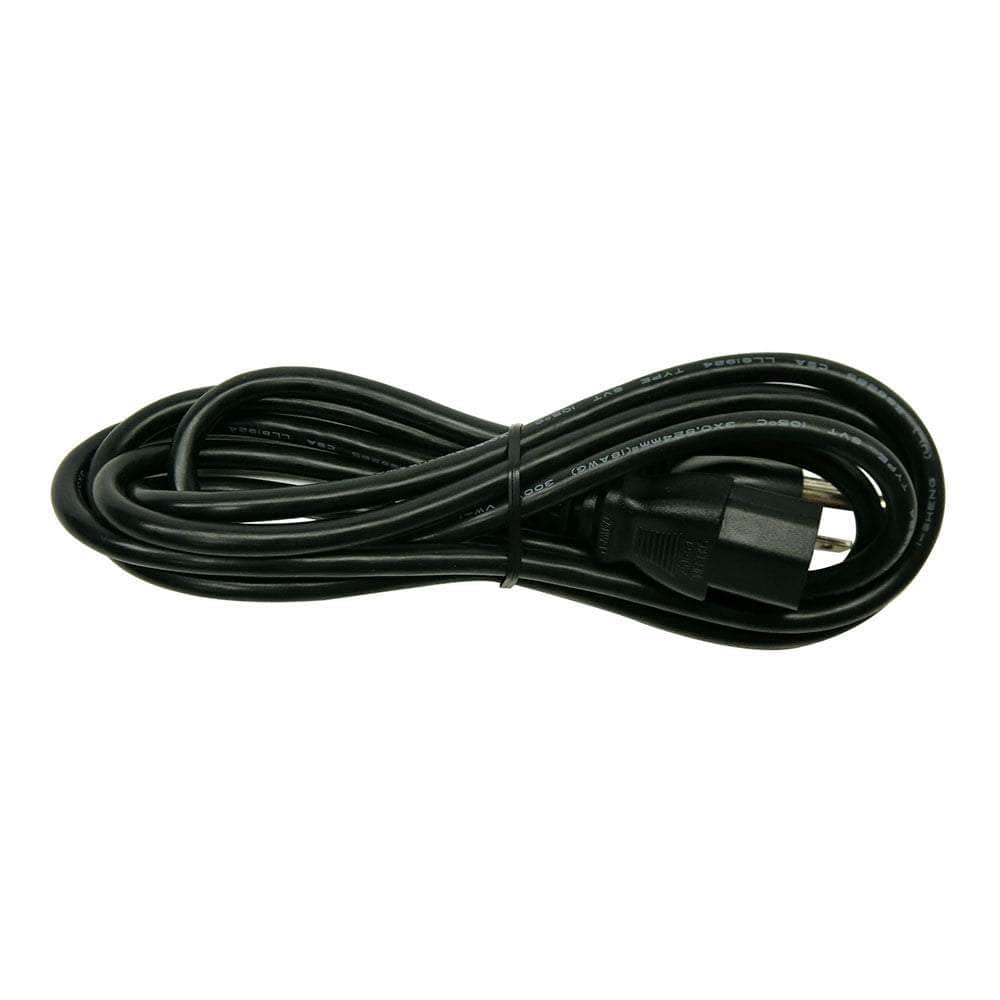
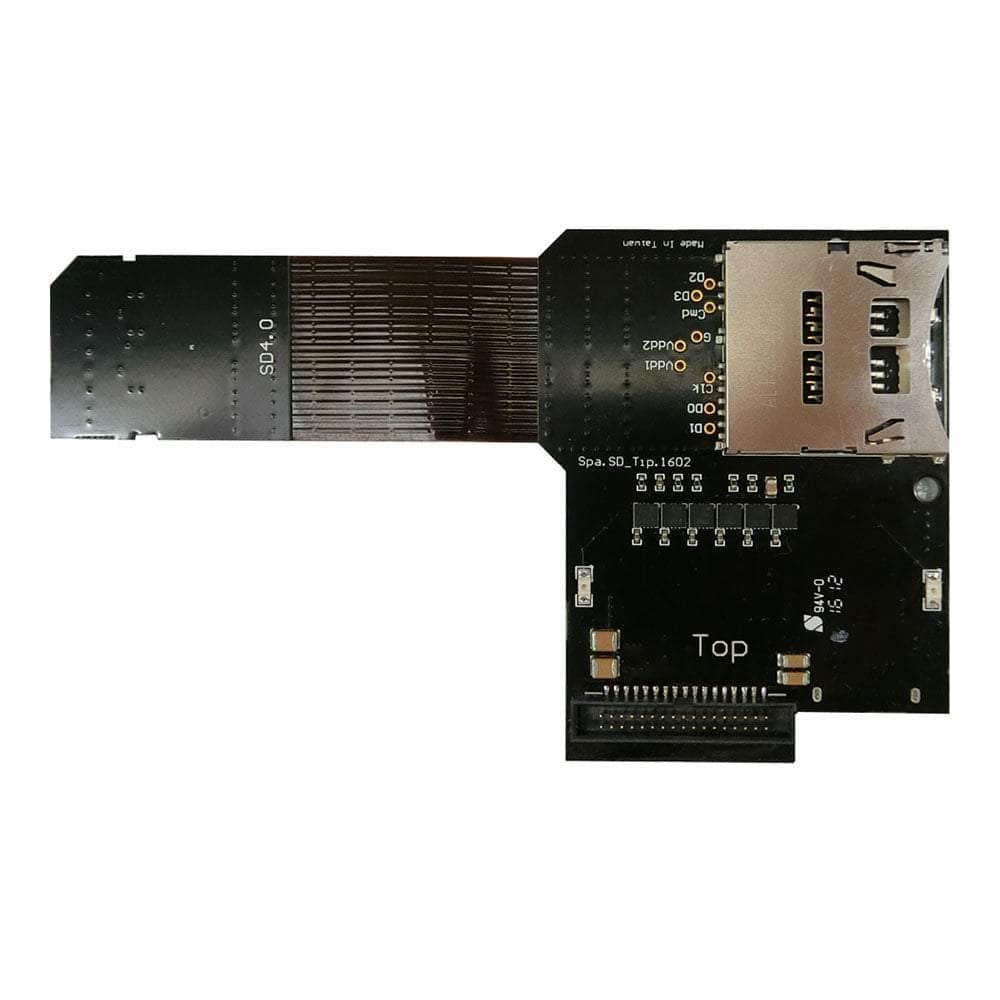
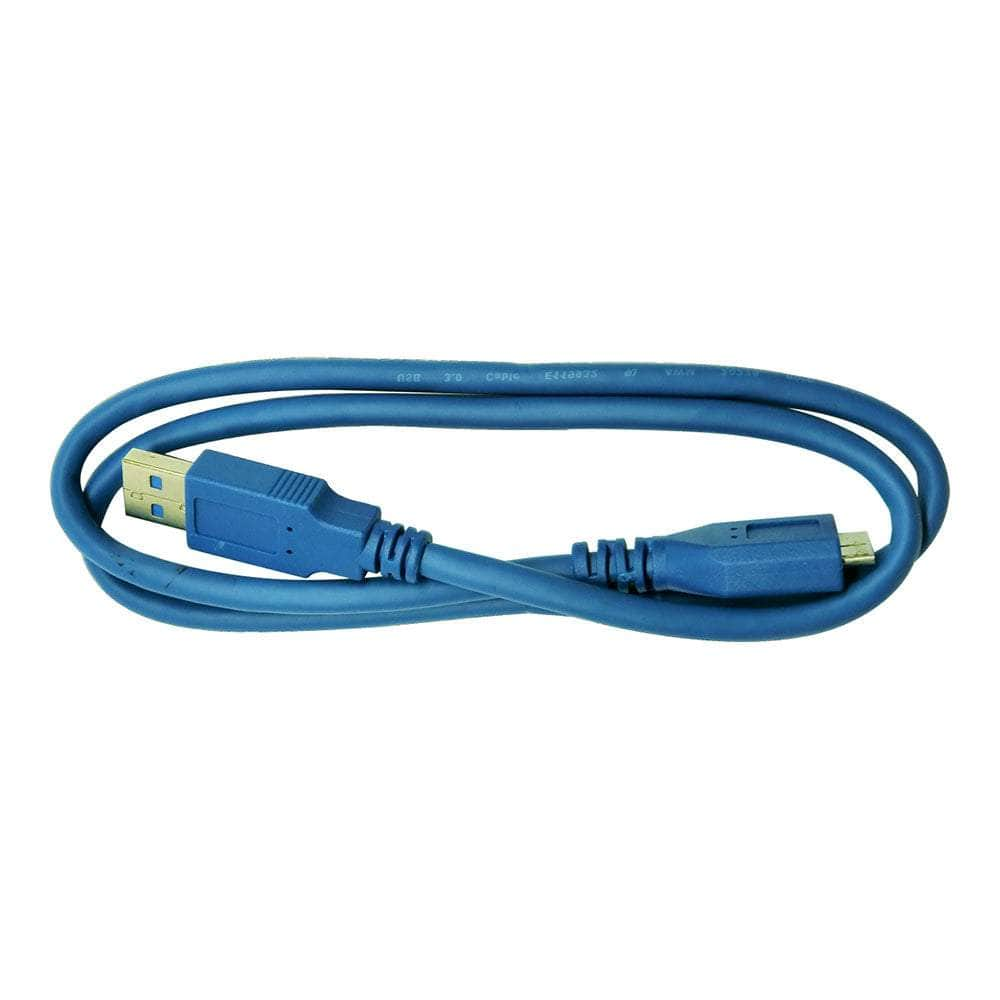
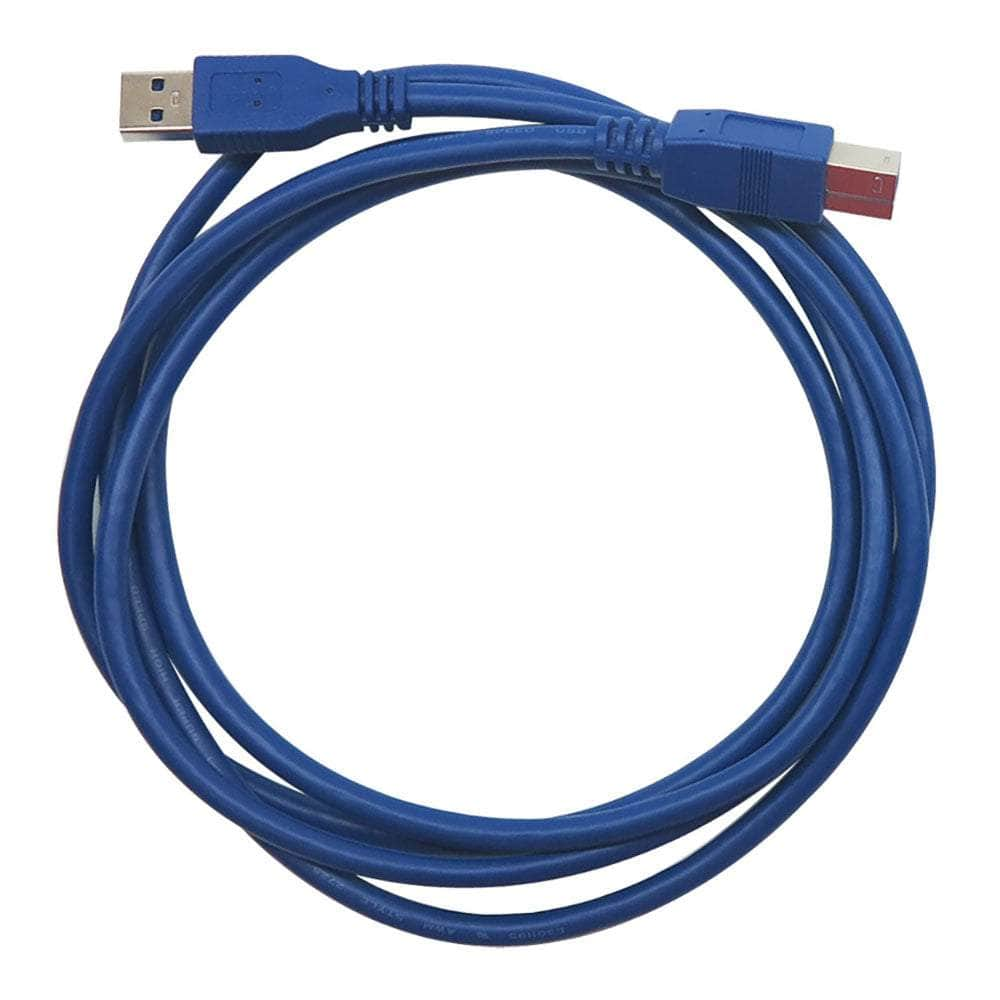
Key Features
Overview
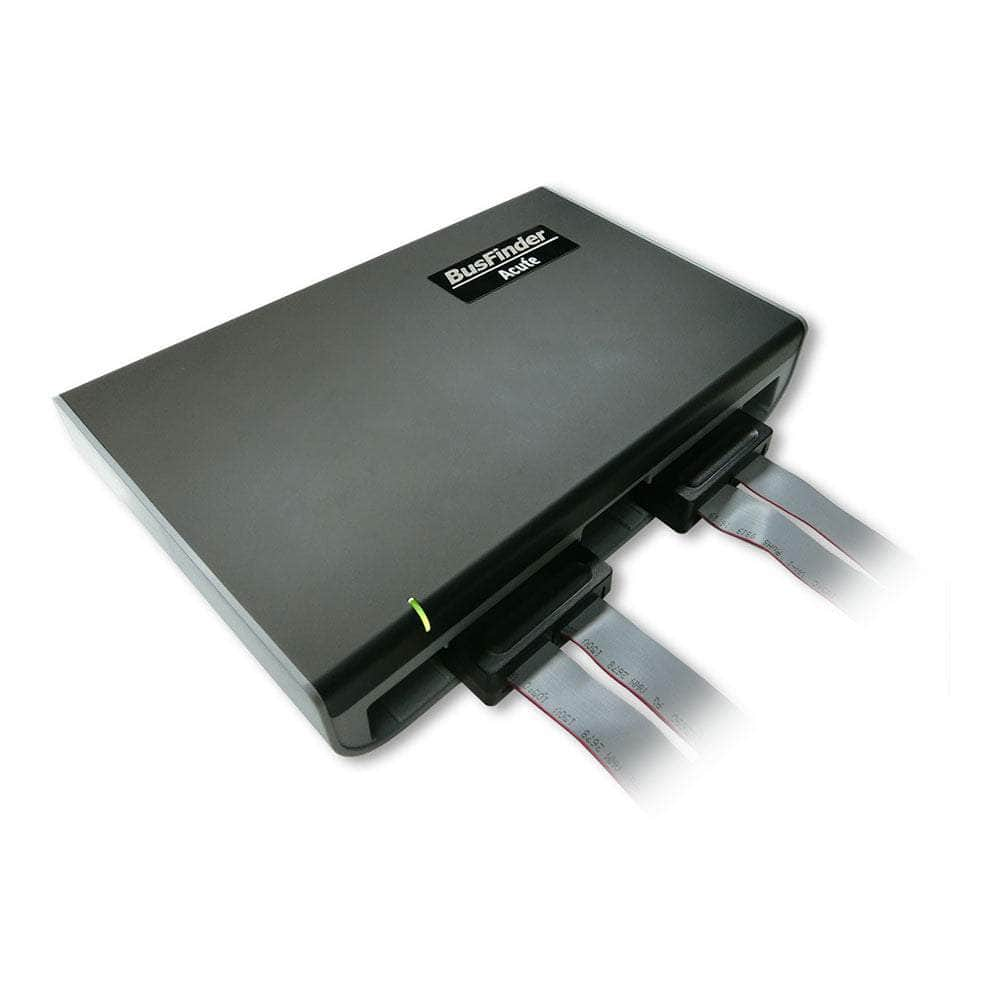
The Acute BusFinder BF6264 Pro is a modular 2‑in‑1 instrument combining hardware protocol decoding with a 64‑channel logic analyser, enabling real‑time viewing, deep logging and long‑duration monitoring across storage and high‑speed interfaces.
A 32Gb protocol memory, transitional storage and SSD logging let engineers capture intermittent, system‑level issues that rarely reproduce during short bench sessions.
Protocol options cover eMMC 5.1, SD/SDIO 3.0, SD 4.1 UHS‑II, NAND (ONFI/Toggle), MIPI D‑PHY 1.2, UFS 2.1 and SGMII using dedicated active probes for signal‑integrity‑friendly connections.
Used as a logic analyser, BusFinder overlays bus decodes on waveforms and can be stacked with a DSO for MSO workflows in complex validation tasks.
For related configurations already supplied by The Debug Store, see the Acute BusFinder BF7264B listing: https://thedebugstore.com/products/acute-technology-busfinder-bf7264b-protocol-analyser-uk
Downloads
Why Engineers Choose the Acute BusFinder BF6264 Pro Protocol Analyser
Months‑long capture
One box, many buses
Correlated insights
Acute BusFinder BF6264 Pro — 2‑in‑1 Protocol and Logic Analyser
PC‑based analyser with USB 3.0, hardware protocol decode, long‑duration logging, and 64‑channel logic capture for storage and high‑speed serial buses.
What is it?
A modular base unit that becomes a protocol analyser for eMMC, SD/SDIO, NAND, MIPI D‑PHY, UFS and more using dedicated active probes; it also runs as a 64‑channel logic analyser with timing/state capture.
Where it fits
Ideal for bring‑up, validation and failure analysis on mobile, storage and embedded designs where protocol‑aware triggers, statistics and months‑long monitoring can reveal elusive events.
Core specifications
| Capability | Value | Notes |
|---|---|---|
| Logic channels | 64 | Bus decode overlays on captured waveforms. |
| Total protocol memory | 32Gb | Hardware decode with logging to PC SSD for extended capture. |
| Timing analysis | Up to 4 GHz | High‑resolution timing for digital signals. |
| State analysis | Up to 400 MHz | State‑clocked capture for bus timing relationships. |
| Interface | USB 3.0 | Fast data link to Windows host application. |
| Operating modes | Analyser, Logger, Monitor | Real‑time, SSD logging, and trigger‑only surveillance modes. |
| Storage method | Transitional storage | Avoids decompression delays for smooth workflow. |
Available options
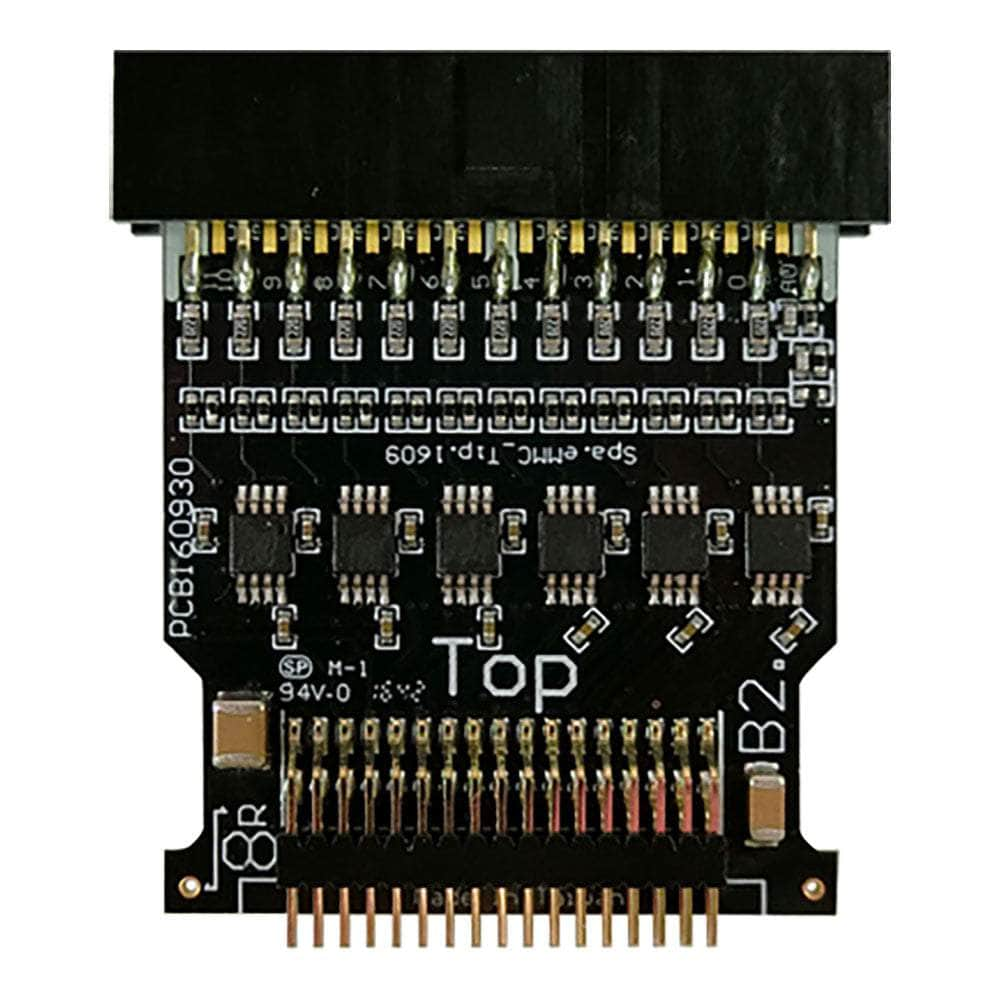
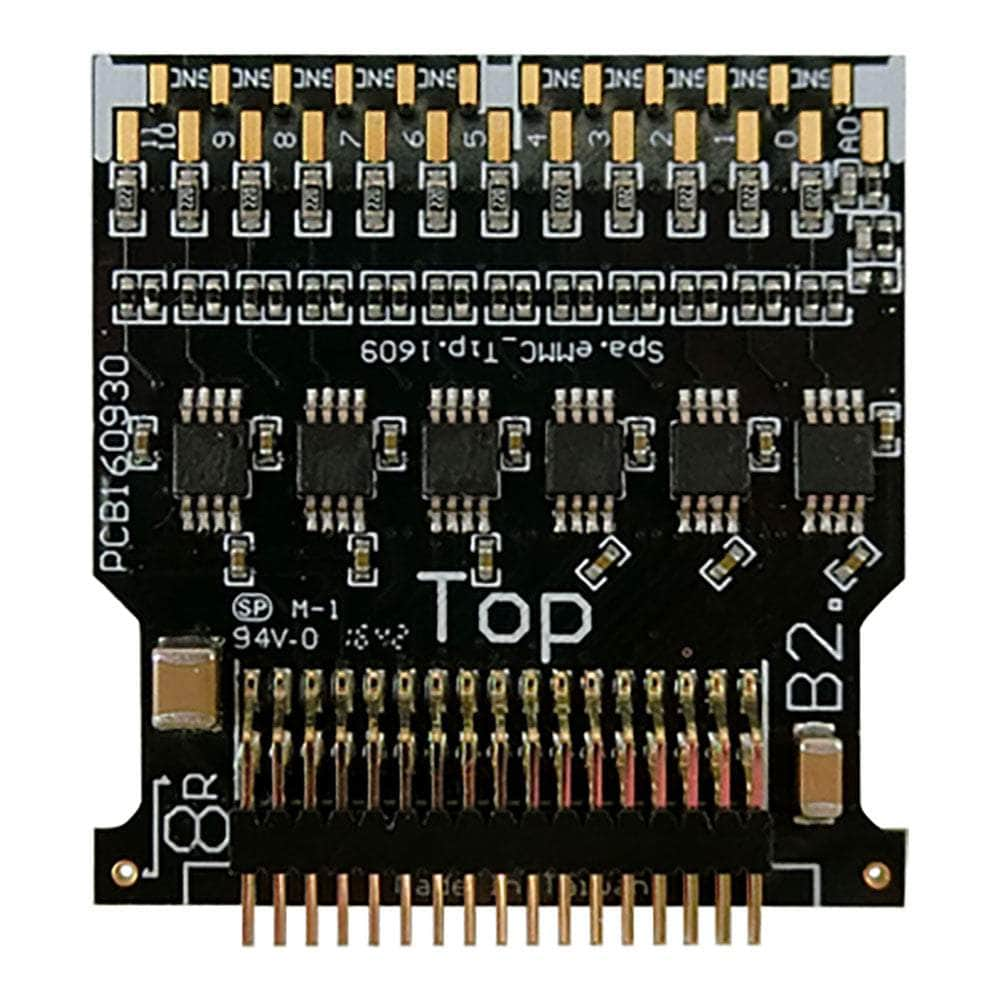
- eMMC 5.1 Option — Captures HS200/HS400 with CMD Queue; maps CLK/CMD/DAT[7:0] and provides protocol‑aware triggers and statistics.
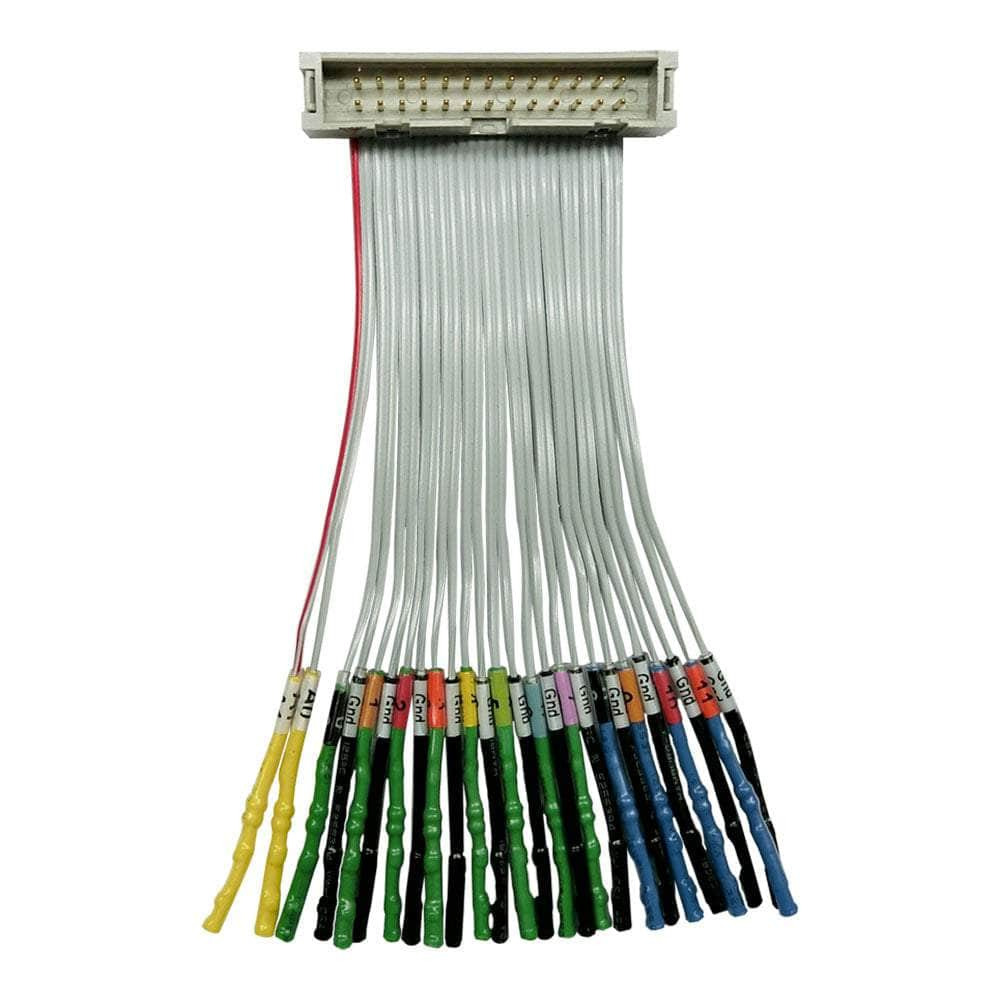
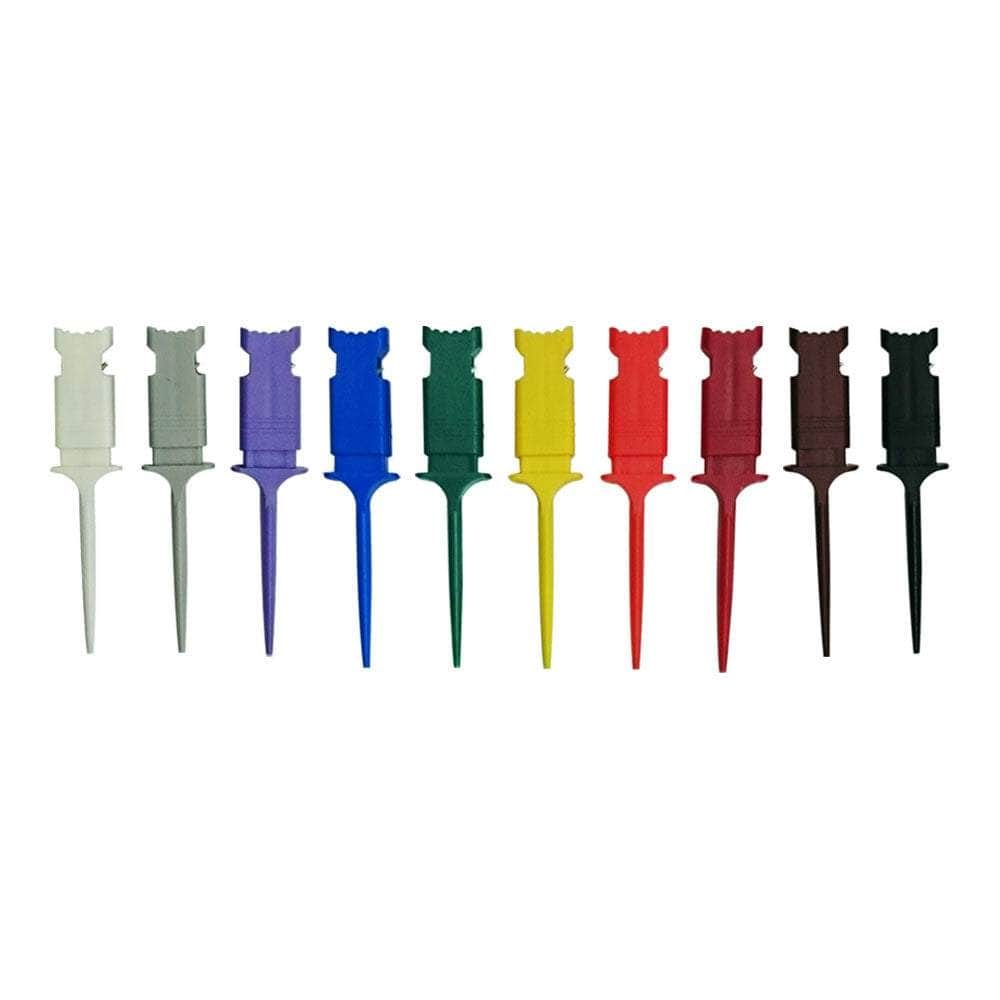
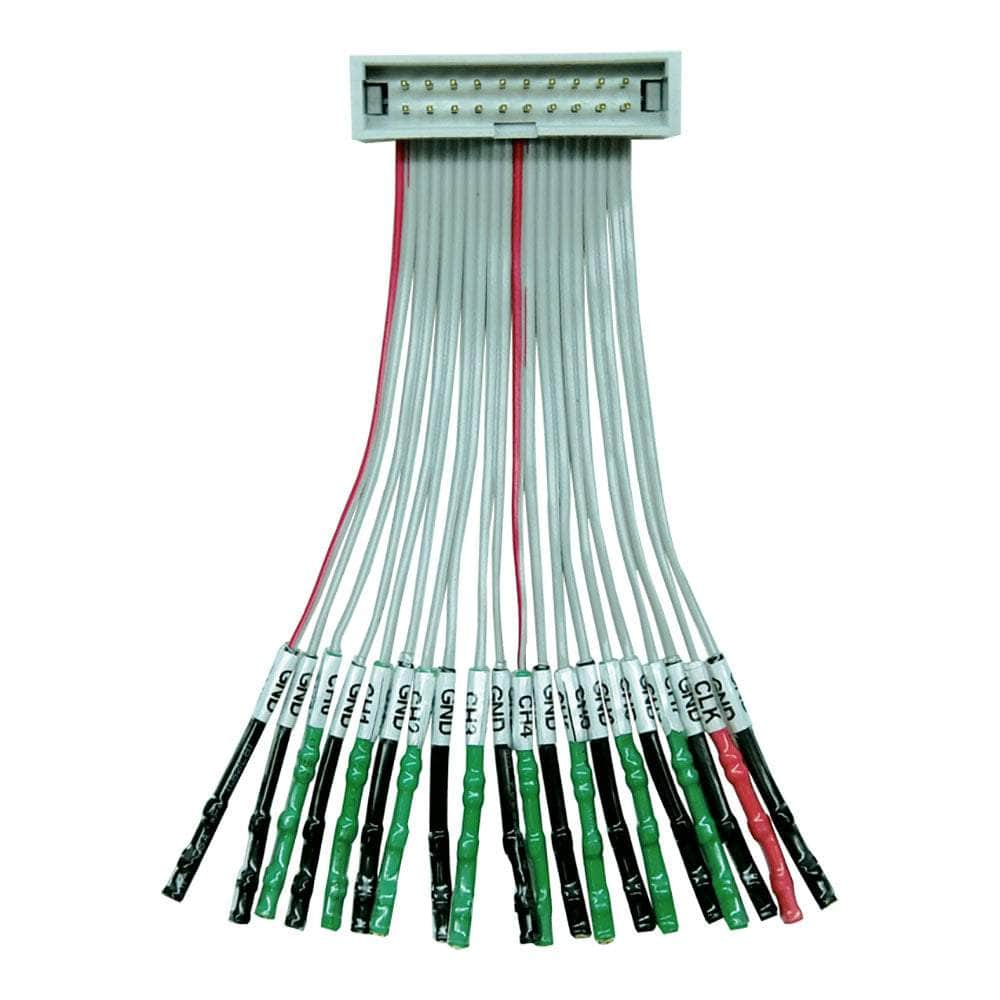
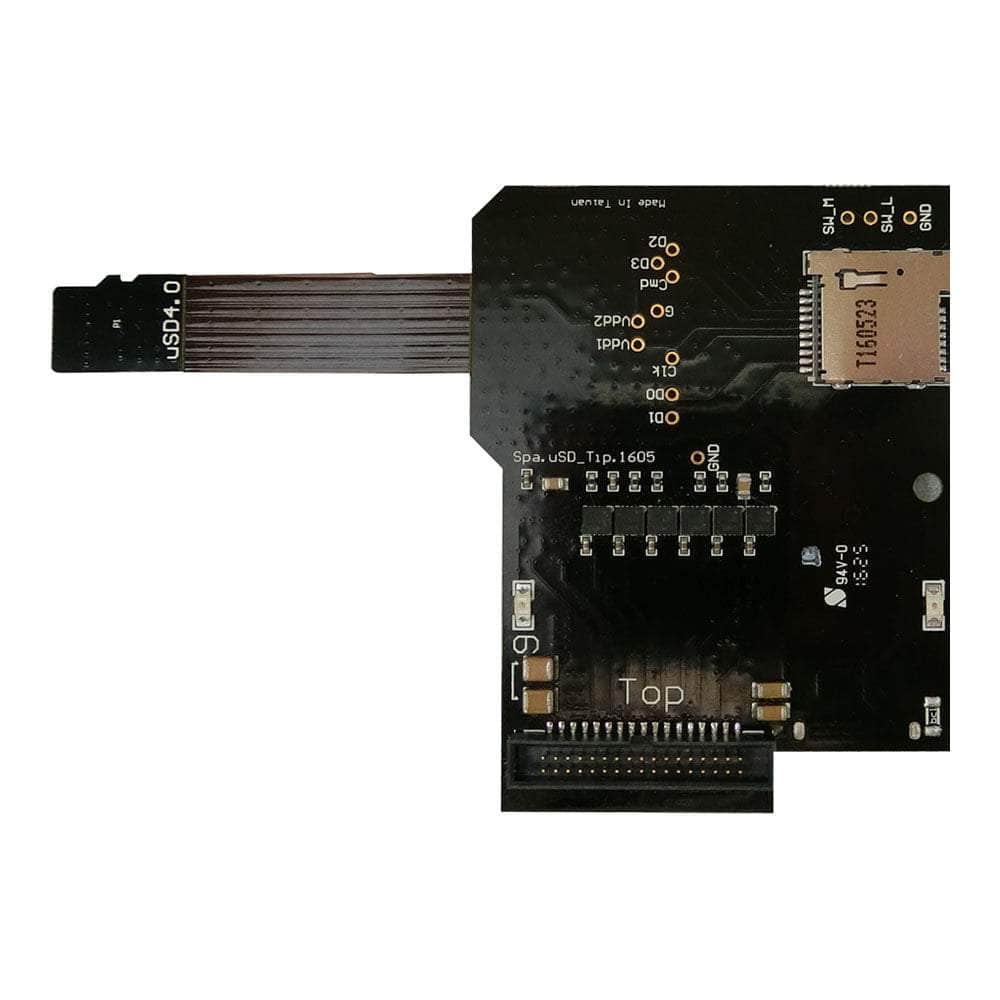
- SD 3.0 (SDIO 3.0) Option — Supports SDR104 and SDIO transactions; extender cards and flying leads ease non‑intrusive tapping.
- SD 4.1 (UHS‑II) Option — Monitors UHS‑II differential links up to 1.56 Gbps per lane with link‑level events and command logging.
- NAND Flash Option — Supports ONFI 4.1 (NV‑DDR3) Mode 8 and Toggle DDR up to ~267 MHz; views ALE/CLE/WE/RE/CE/RB sequences and ECC/BBM activity.
- MIPI D‑PHY 1.2 Option — Up to 2.0 Gbps per lane, 1+4 lanes; decodes CSI‑2/DSI packets, counts ECC/CRC, and can reconstruct images for inspection.
- UFS 2.1 (M‑PHY) Option — Monitors UFS traffic over M‑PHY; useful for storage subsystems in mobile/automotive designs.
- eDP1.5 Option (eDP 1.4a) — Observes embedded DisplayPort up to 5.4 Gbps per lane with up to 4 lanes for panel and scaler bring‑up.
- SGMII Option — Tracks 10/100/1000M serial GMII links for link training, status and error conditions.
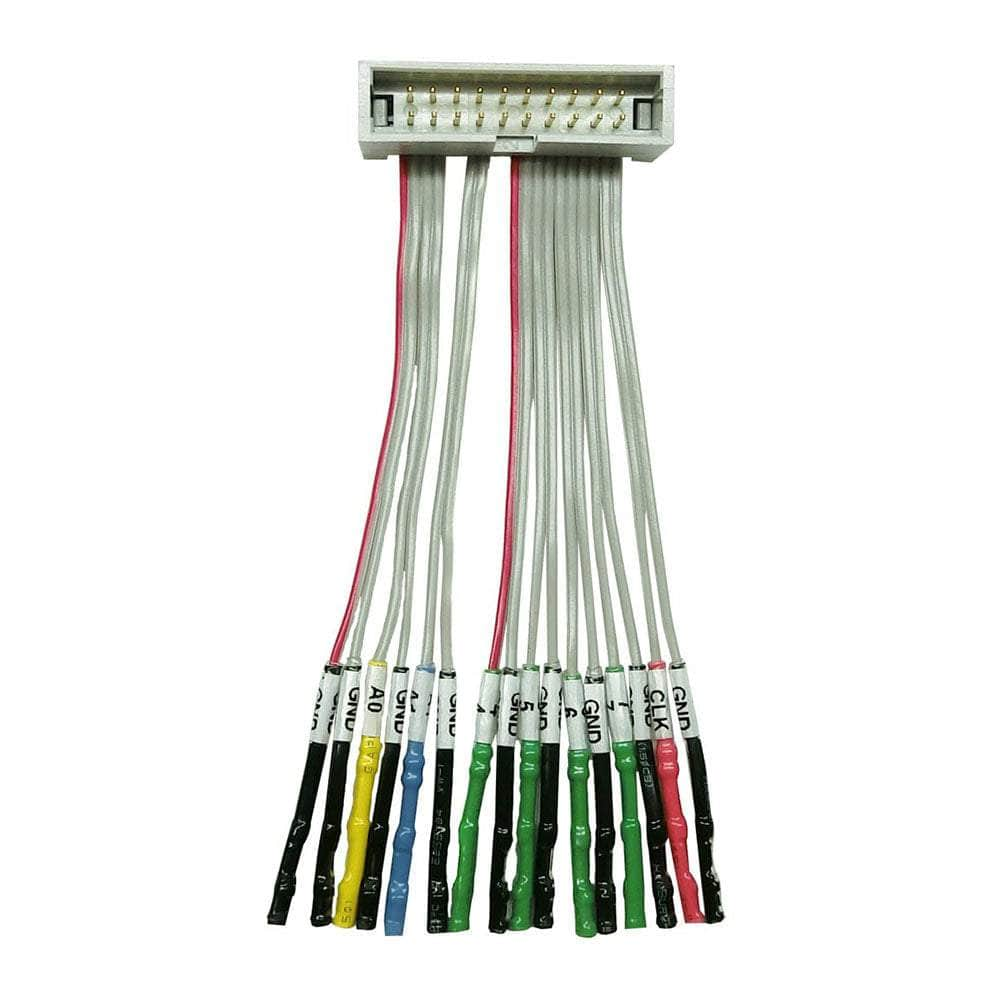
- Logic Analyser (LA) Option — Enables 64‑channel timing/state capture with bus decodes for eMMC, NAND, SD, Serial Flash (SPI NAND/SPI).
- LVDS Option — Low‑voltage differential logic measurement for clean thresholding on high‑speed differential signals.
Note Option availability and exact lane/data rates depend on the active probe and software option purchased; confirm your configuration before ordering.
Wiring quick‑start
- Identify the target bus and select the matching active probe (e.g., eMMC, SD/SDIO, MIPI D‑PHY).
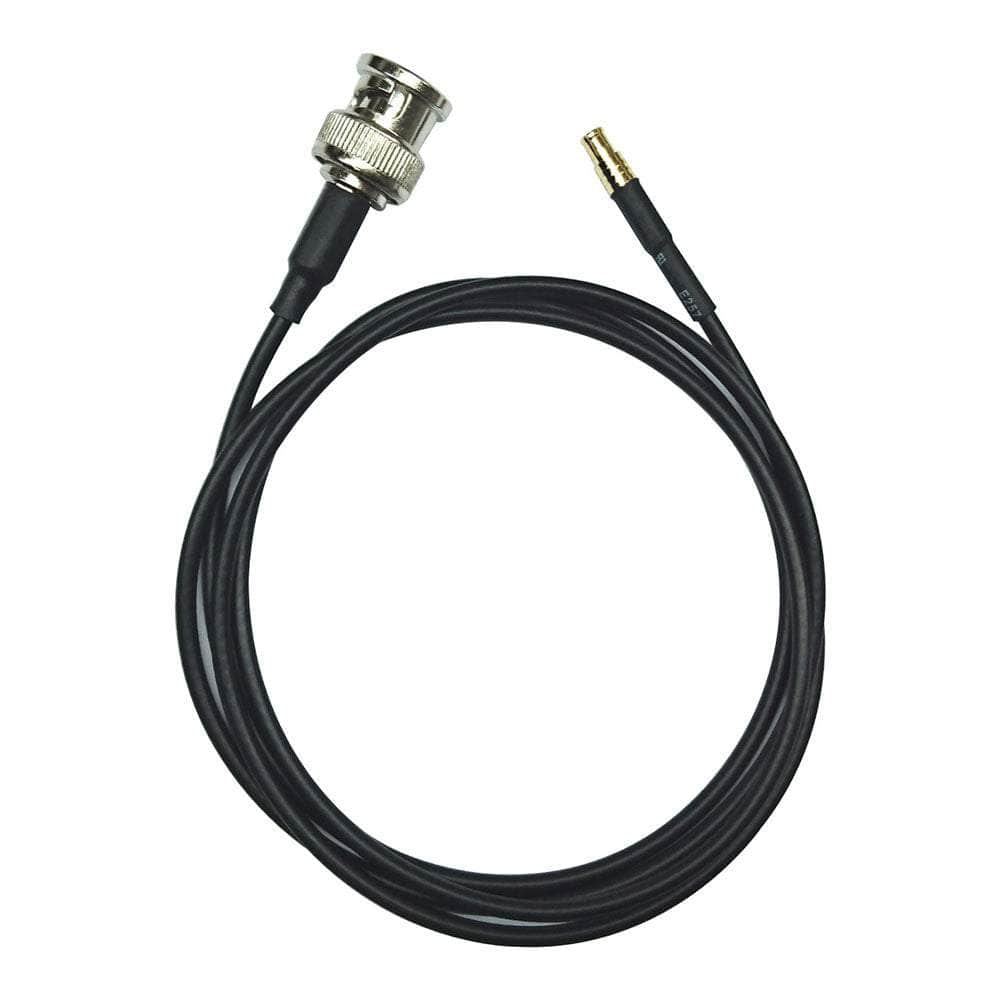
- Keep tap lengths short; for high‑speed links use controlled‑impedance accessories and minimal stub length.
- Connect trigger‑out to a DSO if correlating analogue events; stacking supports MSO workflows.
- In the PC app, select the protocol, enable hardware filters to extend capture depth, and arm with a protocol‑aware trigger.
Typical eMMC 5.1 pinout mapping
| eMMC Signal | Probe Channel | Notes |
|---|---|---|
| CLK | CLK+ | Use short, low‑inductance routing; follow probe guidance. |
| CMD | CMD | Bi‑directional; ensure proper termination/level alignment. |
| DAT0–DAT7 | DATA[0..7] | HS200/HS400 data lanes; maintain skew/channel length matching. |
| VCC/VCCQ | Sense | Voltage detect inputs help correlate supply droop to errors. |
Ready‑to‑run log parsing (CSV)
# Parse BusFinder CSV to find failed CRCs import csv with open('busfinder_log.csv') as f: for r in csv.DictReader(f): if r.get('Status') == 'CRC_ERROR': print(r)Compared to alternatives
- Prodigy PGY‑SSM focuses on SD/SDIO/eMMC with host streaming; BusFinder adds multi‑protocol options and integrated 64‑channel logic capture.
- Oscilloscope‑based D‑PHY decode aids physical‑layer and compliance; BusFinder emphasises long‑form protocol logging with hardware decode and statistics.
| General Information | |
|---|---|
Part Number (SKU) |
BF7264Pro-Base
|
Manufacturer |
|
| Physical and Mechanical | |
Weight |
5.0 kg
|
| Other | |
EAN |
5055383616671
|
Questions and Answers
-
What Host Interface and OS Are Supported?
It connects over USB 3.0 to Windows 7/8/10/11 PCs (64-bit software only). Minimum 8 GB RAM, 16 GB recommended.
-
Are Active Probes Required?
Not always. Acute supplies protocol-specific active probes for easier connection to the target, and some options can also use flying leads. Triggering and statistics are provided by each protocol option.
-
Can It Export Decoded Data for Analysis?
Yes. You can export decoded reports to TXT/CSV for scripting and automated analysis.
-
What’s the Difference Between Analyser, Logger and Monitor Modes?
Each mode captures differently:
- Analyser shows protocol traffic in real time.
- Logger streams to SSD for very large captures.
- Monitor records rare, trigger-only events from device memory.
-
Is UFS Supported?
Yes, as a UFS 2.1 option on the BF7264B+ and BF7264 Pro. Acute lists UFS only for those two models.
-
How Is It Different From Oscilloscope-Based Decode?
Oscilloscopes are best for physical-layer compliance and eye/jitter analysis. BusFinder focuses on long-form protocol logging, hardware decode and statistics.
-
Can It Run as a Pure Logic Analyser?
Yes, it captures 64 channels with timing/state and overlays bus decodes; it can also stack with a DSO as an MSO.
-
How Does Transitional Storage Help?
Transitional storage avoids heavy decompression after capture, so results show as soon as the capture is processed. It does reduce the number of usable channels.
No questions match your search.