


Hantek Electronic Co Ltd
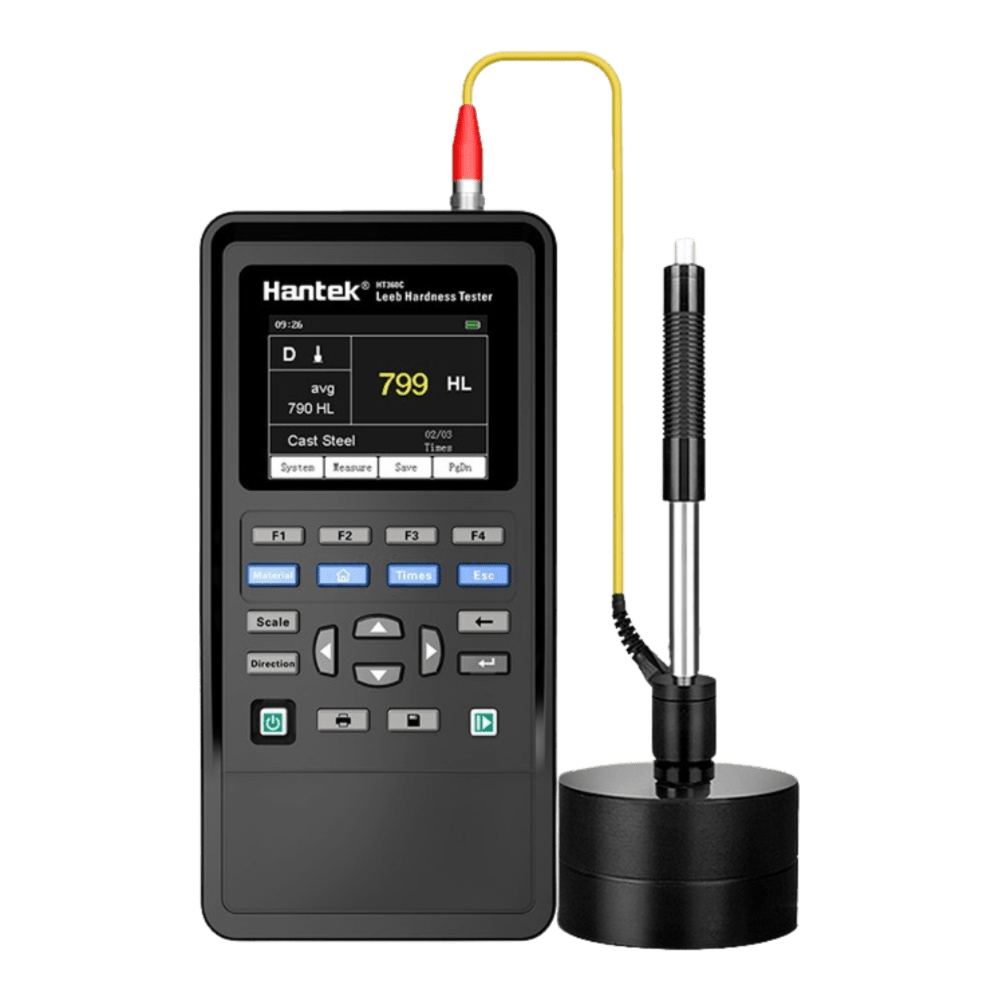
Hantek HT360C Portable Leeb Hardness Tester
Hantek HT360C Portable Leeb Hardness Tester
SKU: HT360C
Couldn't load pickup availability
Key Features
Overview
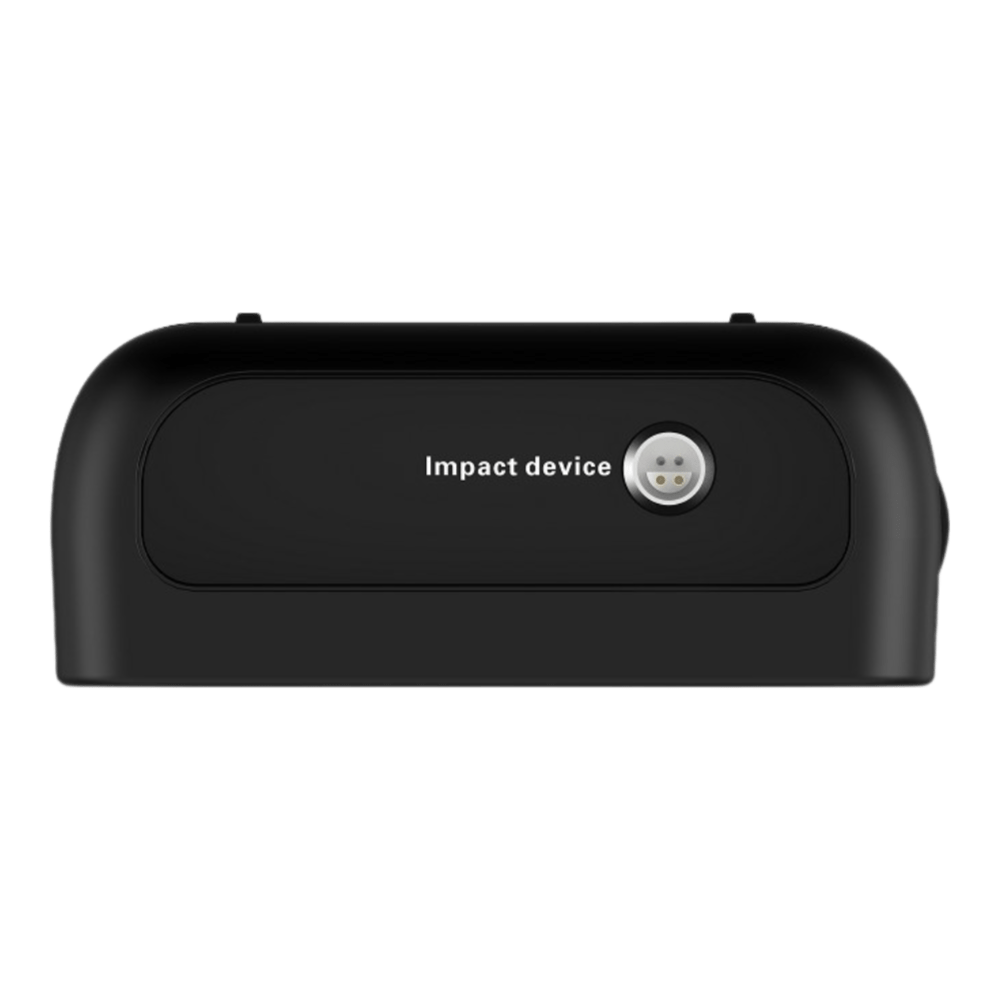
The Hantek HT360C is a portable Leeb hardness tester for on-site hardness checks of metallic materials. It measures using the Leeb rebound method and converts results to common scales including HL, HB, HRC, HRB, HRA, HV and HS. The unit supports five test orientations and ships with a D-type impact device; it also supports optional devices (DC, DL, D+15, G) for specialised applications.
Key Capabilities
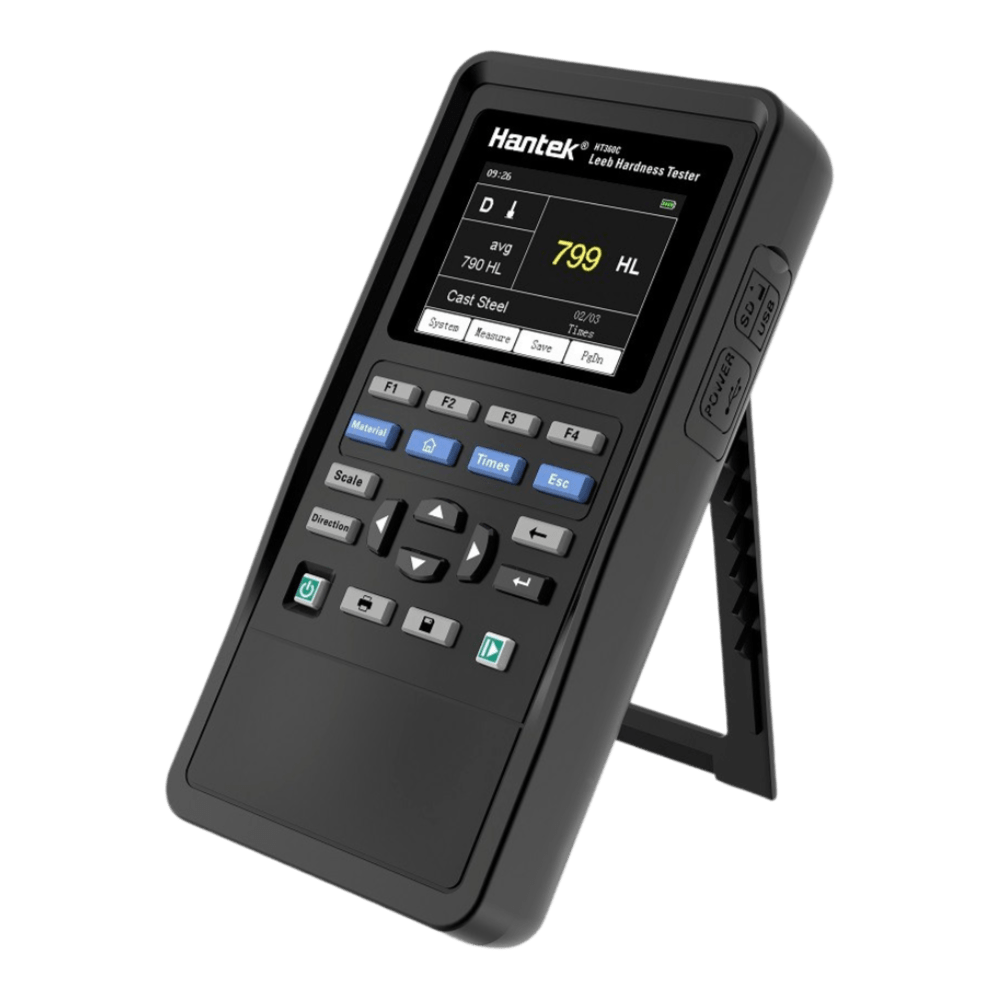
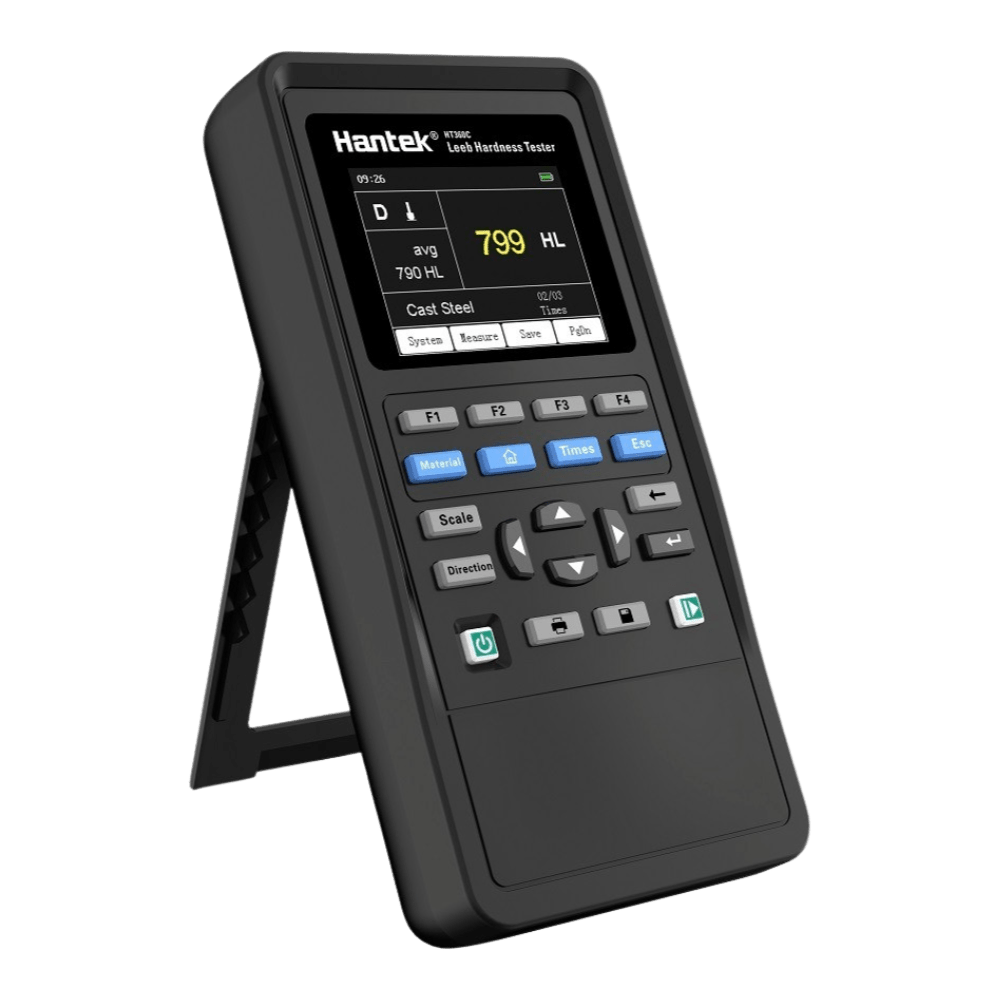
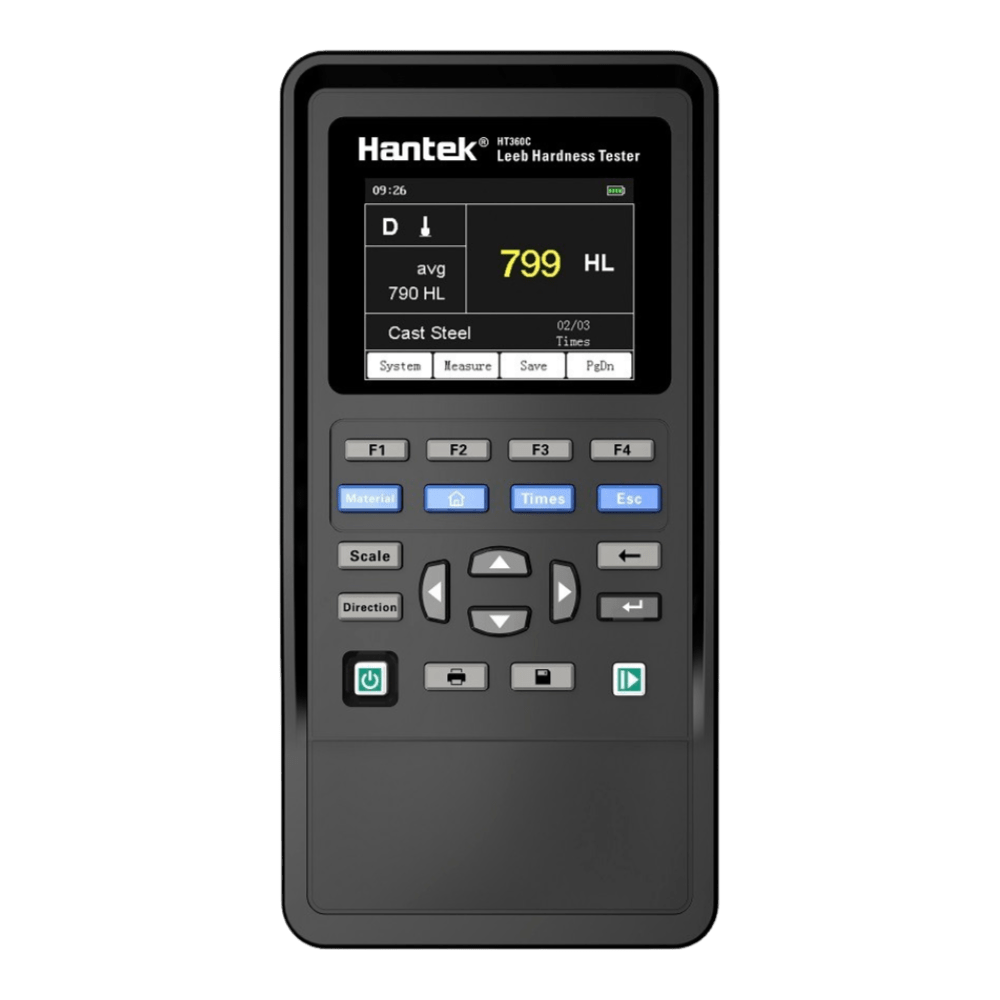
The HT360C features a 2.8-inch TFT display with an intuitive interface, storage for up to 500 measurement groups and averaging of up to 32 impacts to improve repeatability. Data can be exported to a PC via USB Type-C; Bluetooth supports optional portable printing. Power is provided by two replaceable 18650 Li-ion cells for extended field use.
Measurement Range & Accuracy
Typical ranges include 170–960 HLD with indicative conversion to approximately 17.9–69.5 HRC. Indication error is specified at ±6 HL (at HL=760±30). Supported materials include steel and cast steel, alloy tool steel, stainless steel, grey and ductile iron, cast aluminium alloys, brass, bronze, copper and forged steel.
Series Variants
This instrument is part of the HT360 series. The HT360C adds Bluetooth output to the core functions of the HT360. If you do not require Bluetooth, consider the HT360. Both support Windows connectivity and multi-scale conversions.
Why Consider This Model?
If you need a compact, field-ready tester that stores results, converts across common hardness scales and can print via Bluetooth, the HT360C delivers a practical balance of capability and value. It’s well-suited to general metal inspection, fabrication, maintenance and incoming goods verification.
Explore other Test & Measurement tools or browse Hantek instruments.
Downloads
Why Engineers Choose The Hantek HT360C Portable Leeb Hardness Tester
Traceable, multi-scale output
Flexible on real parts
Field-ready workflows
Questions and Answers
-
Does It Store Results for Traceability?
Yes. It stores up to 500 readings (10 groups of 50), each with the date, impact direction, number of impacts, material and hardness scale.
-
How Does Leeb Compare with UCI or Portable Rockwell?
- Leeb: fast, best for larger, heavier parts.
- UCI: suits thinner sections and surface-hardened layers.
- Portable Rockwell: mimics bench methods, but with different constraints.
-
Can I Use Different Impact Devices?
Yes. The standard D device is included. It also supports DC, DL, D+15 and G devices for special geometries and surfaces.
-
What Are the Power and Interface Details?
- Power: two 3.7 V 2600 mAh 18650 Li-ion cells
- USB Type-C for charging and PC link
- Optional Bluetooth printer
-
What Test Method Does the HT360C Use?
It uses the Leeb rebound method. It measures rebound velocity to give HL, then converts to HB, HRC, HRB, HRA, HV and HS as needed.
-
Is Leeb Hardness Recognised by Standards Like ASTM?
Yes. ASTM A956 covers Leeb hardness testing of steel, cast steel and cast iron.
-
What Materials Can I Test?
You can test:
- Steel and cast steel
- Alloy tool steel
- Stainless steel
- Grey and ductile irons
- Cast aluminium alloys
- Brass, bronze and copper
- Forged steel
-
How Accurate Is It?
Indication error is ±6 HL at HL=760±30 with the D and DC impact devices (±12 HL with the other devices). You can improve repeatability by averaging 1 to 32 impacts per reading.
-
What Is the Measurement Range?
170 to 960 HLD. For steel, Hantek's conversion table gives about 17.9 to 68.5 HRC with the D device; Hantek's headline specification quotes 17.9 to 69.5 HRC.
No questions match your search.