
Acute Technology, Inc
Acute Technology LA4000 Series 68/136 Ch Logic Analyser
Acute Technology LA4000 Series 68/136 Ch Logic Analyser
SKU: LA4068E
Couldn't load pickup availability
Key Features
Overview
Acute Technology LA4000 Series Logic Analyzer
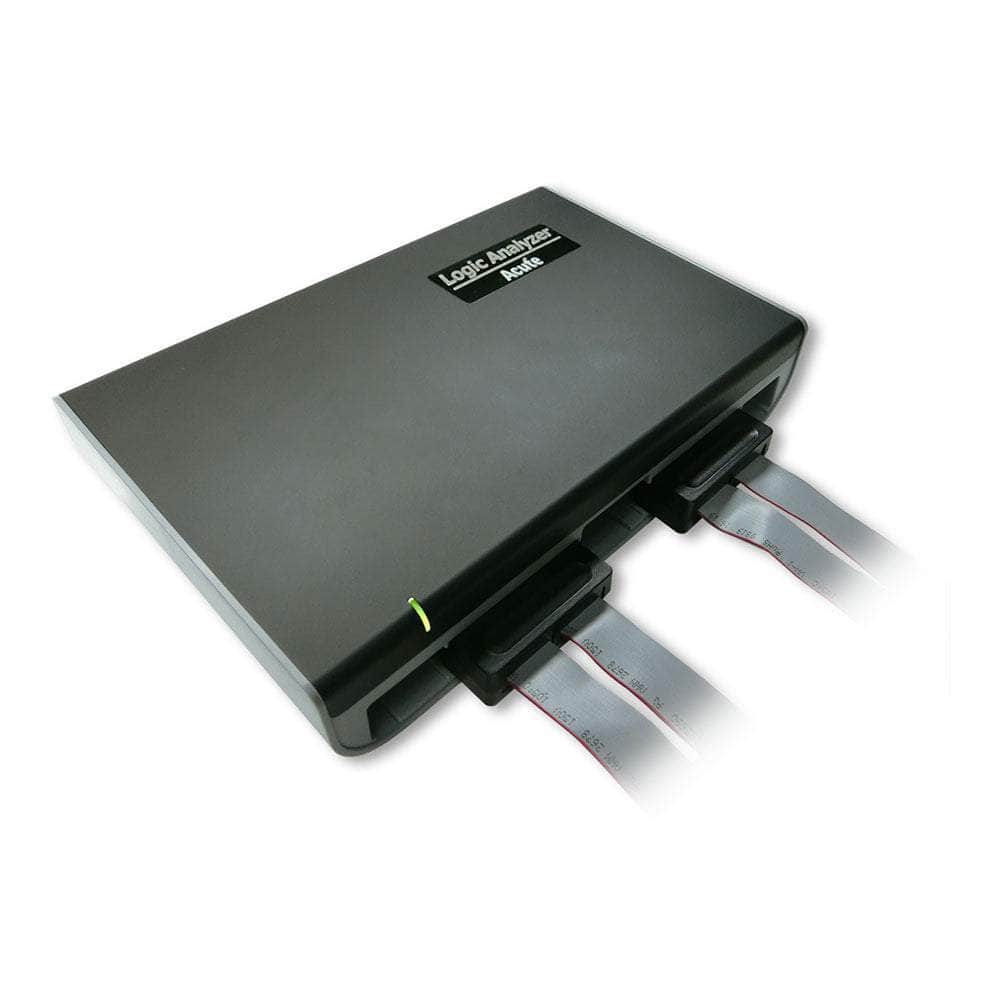
The Acute Technology LA4000 Series is a PC-based logic analyzer designed for demanding signal analysis and protocol debugging applications. With up to 136 channels and sample rates reaching 4 GHz timing and 400 MHz state analysis, it meets the requirements of complex digital designs, including FPGAs, ADCs, and advanced communication interfaces. The series offers models such as LA4068B/E and LA4136B/E, providing both 68 and 136 channel options tailored to your application's needs. A 32 GB memory depth supports extensive data capture for long or critical events, and the device connects via USB 3.0 for reliable, high-speed data transfers.
Engineers benefit from wide protocol support, enabling analysis and decoding of over 100 protocols like I²C, SPI, CAN, UART, and newer standards including eSPI and MIPI I3C. Unique trigger and storage options, such as parallel clause triggers and real-time protocol monitoring, facilitate fast troubleshooting and deep debug insight. The LA4000 can stack with oscilloscopes from leading brands, expanding it into a powerful mixed-signal verification tool.
For those looking for performance above rivals like Saleae, Tektronix, and Agilent/Keysight, the LA4000 stands out with higher channel count, broader memory and robust voltage range—making it ideal for capturing rare, high-speed faults across large embedded systems. Compatible with LA3000+ probes, it eases upgrades and preserves your hardware investment.
Downloads
| Model | Channels | Bus Triggers | Protocol Analysis Options |
|---|---|---|---|
| LA4068E | 68 Channels | I | I |
| LA4068B | 68 Channels | I, II | I, II |
| LA4136E | 136 Channels | I | I |
| LA4136B | 136 Channels | I, II | I, II |
Protocol Trigger I: 10BASE-T1S¹, BiSS-C, CAN2.0B/CAN FD, DP_Aux¹, HID over I2C, I2C, I2S, LIN2.2, MIPI I3C 1.1, SENT, SPI, UART (RS232), USB PD 3
Protocol Trigger II: 10BASE-T1S¹, BiSS-C, CAN2.0B/CAN FD, DP_Aux¹, HID over I2C, I2C, I2S, LIN2.2, MIPI I3C 1.1, SENT, SPI, UART (RS232), USB PD 3, DALI, eMMC 4.5, eSPI, HyperBus, LPC, MDIO, MII, Mini/Micro LED, MIPI RFFE 3, MIPI SPMI 2, Modbus, NAND Flash, PMBus, Profibus, RGMII, RMII, SD 3.0 (SDIO 2.0), SENT, Serial Flash (SPI NAND), SMBus, SVI2, SVID³, USB1.1
Protocol Analyzer I: 10BASE-T1S¹, BiSS-C, CAN2.0B/CAN FD, DP_Aux¹, HID over I2C, I2C, I2S, LIN2.2, MIPI I3C 1.1, SPI, UART (RS232), USB PD 3
Protocol Analyzer II: 10BASE-T1S¹, BiSS-C, CAN2.0B/CAN FD, DP_Aux¹, HID over I2C, I2C, I2S, LIN2.2, MIPI I3C 1.1, SPI, UART (RS232), USB PD 3, DALI, eSPI, MDIO, MII, MIPI RFFE 3, Modbus, PMBus, Profibus, RGMII, RMII, SMBus, SVID³, USB1.1
Protocol Decode : 1-Wire, 3-Wire, 7-Segment, 10BASE-T1S¹, A/D Mux Flash, AccMeter, ADC, APML, AVSBus, BiSS-C, BSD, BT1120, CAN 2.0B/FD, Close Caption, CODEC_SSI, DALI, DMX512, DP_Aux¹, EDID, eMMC 4.5, eSPI, FlexRay, HD Audio, HDLC, HDQ, HID over I²C, HTSensor, HyperBus, I²C EEPROM, I²C, I²S (PCM, TDM), I80, IDE, IO-Link, IrDA, ISELED, ITU-R BT.656 (CCIR656), JTAG, JVC IR, LCD1602, LED_Ctrl, LIN 2.2, Line Decoding, Line Encoding, Lissajous, LPC, LPT, Math, M-Bus, MDDI, MDIO, MHL CBUS, Microchip SWI, Microwire, MII, Mini/Micro LED, MIPI CSI LP, MIPI DSI LP, MIPI I3C 1.1, MIPI RFFE 3, MIPI SoundWire 1.2, MIPI SPMI 2, Modbus, NAND Flash, NEC IR, PDM, PECI 3.0, PMBus, Profibus, PS/2, PWM, QEI, QI, QSPI, RC-5, RC-6, RGB Interface, RGMII, RMII, S/PDIF, SD 3.0 (SDIO 2.0), SENT, Serial Flash, Serial IRQ, Serial PSRAM, SGPIO, Smart Card, SMBus (SBS, SPD), SMI, SPI, SPI-NAND, SSI, ST7669, SVI2, SVID², SWD, SWIM, SWP, UART (RS232), ULPI, UNI/O, USB 1.1, USB4/TBT3 SB Channel, USB PD 3, Wiegand, ...
| General Information | |
|---|---|
Part Number (SKU) |
LA4068E
|
Model |
|
Manufacturer |
|
| Functional Features | |
Logic Analyser Type |
|
Number of Channels |
|
Max Sample Rate |
|
Memory Depth |
|
Supported Voltage Levels |
|
Input Impedance |
|
Trigger Types |
|
Protocol Decoding |
|
Use Cases |
|
| Electrical | |
Power Source |
|
| Software | |
Included Software |
|
Software Updates |
|
Host OS Compatibility |
|
API/SDK |
|
Automation |
|
| Physical and Mechanical | |
Dimensions |
|
Weight |
2.2 kg
|
Operating Temperature |
|
Included Accessories |
|
Storage Temperature |
|
Humidity |
|
| Other | |
Certifications |
|
Country of Origin |
|
EAN |
5055383616626
|
Questions and Answers
-
What Is the Acute Technology LA3000 Plus Series Logic Analyser?
The LA3000 Plus is a PC-based logic analyser from Acute Technology Inc. for analysing digital signals and protocols in electronic systems. Its features include:
- 68/136 channels
- USB 3.0 interface
- 2.4GHz timing analysis and 300MHz state analysis
- 32Gb memory
- active probe
- logic, state and protocol triggers
- over 100 bus decodes
It runs on Windows 7, Windows 8, Windows 10 (64-bit) and Windows 11. The PC needs a USB 3.0 port and at least 8GB RAM (16GB recommended).
-
How Many Channels Does the LA3000 Plus Have?
The LA3000 Plus logic analyser has 68 or 136 channels, depending on the model (LA3068: 68, LA3136: 136).
-
Can I Set a Trigger on a Bus Protocol State?
Yes. The LA3000 Plus supports Bus Trigger I (I²C, MIPI I3C 1.1, SPI, UART (RS232), USB PD 3 and others) and, on B+ models, Bus Trigger II (eMMC 5.0, eSPI, NAND Flash, SD 3.0, Serial Flash, SVID and others), so you can capture specific events or conditions on the bus.
-
Which Communication Protocols Does the LA4000 Support?
The LA4000 series decodes over 100 protocols. These include I²C, SPI, CAN 2.0B/CAN FD and USB PD 3, plus high-speed protocols such as eMMC 5.1 and NAND Flash. For custom or proprietary protocols, Acute offers a Protocol Decode SDK for writing your own decoder DLLs.
-
Can the LA4000 Be Integrated with Other Test Instruments?
Yes. The LA4000 series stacks with oscilloscopes from Acute, GW Instek, Tektronix, Keysight/Agilent, LeCroy, HAMEG and R&S.
Link the trigger ports with the BNC-MCX cable and connect the oscilloscope to the PC over USB or LAN; the pair then works as a mixed-signal oscilloscope (MSO) with synchronised digital and analogue signals.
-
What Are the PC System Requirements for the LA4000?
The LA4000 needs a PC with:
- Windows 7, 8, 10 or 11 (64-bit versions only)
- a USB 3.0 port
- at least 8GB RAM (16GB recommended)
-
Why Should I Choose the LA4000 Logic Analyser?
The Acute Technology LA4000 combines high performance, broad protocol support and DSO integration in one compact unit:
- Sampling: timing analysis up to 4GHz for fast signals.
- Channels: 68 or 136, covering embedded platforms through to complex FPGAs.
- Memory: 32Gb capture memory for long-duration or high-density captures.
- Protocols: over 100 decoders, including I²C, SPI, CAN, eMMC 5.1 and USB PD 3, plus your own decoders via Acute's Protocol Decode SDK.
- Inputs: ±15V input range, tolerates up to ±40V, with 10mV trigger voltage steps.
- DSO stacking: combines with Keysight, Tektronix, R&S and other supported oscilloscopes to form a mixed-signal oscilloscope (MSO).
- Connection: USB 3.0 to the PC.
- Software: PC software and drivers downloadable from Acute's website.
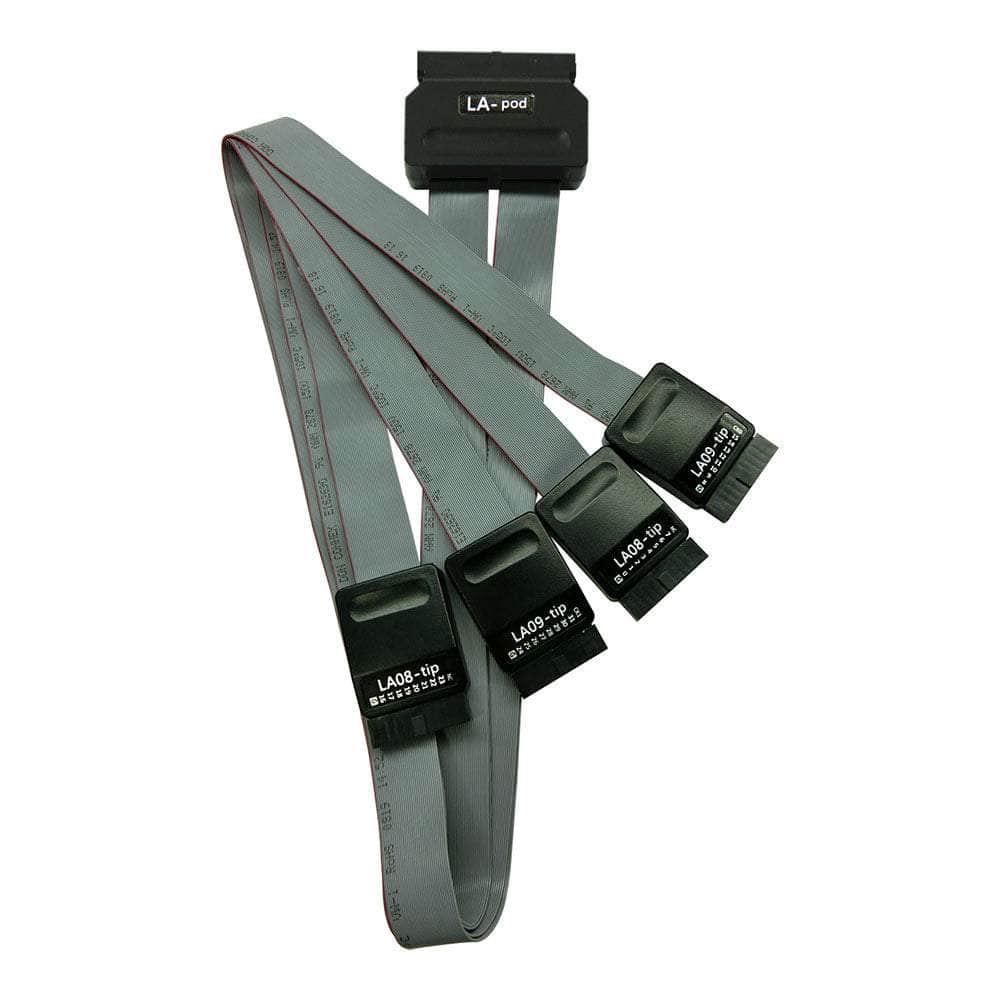
- Accessories: ships with pods, grippers and cables.
-
What Are the Key Performance Specifications of the LA4000 Series?
The LA4000 series is a PC-based instrument that works as both a logic analyser and a protocol analyser. Key specifications:
- Timing analysis: up to 4 GHz sampling rate
- State analysis: up to 400 MHz state clock rate
- Channels: 68 and 136-channel models
- Memory: 32Gb total
- Connectivity: USB 3.0 interface to the PC
No questions match your search.