
SEGGER Microcontroller GmbH
SEGGER J-Link WiFi Wireless Debug Probe (8.14.28)
SEGGER J-Link WiFi Wireless Debug Probe (8.14.28)
SKU: 8.14.28
Couldn't load pickup availability
Key Features
Overview
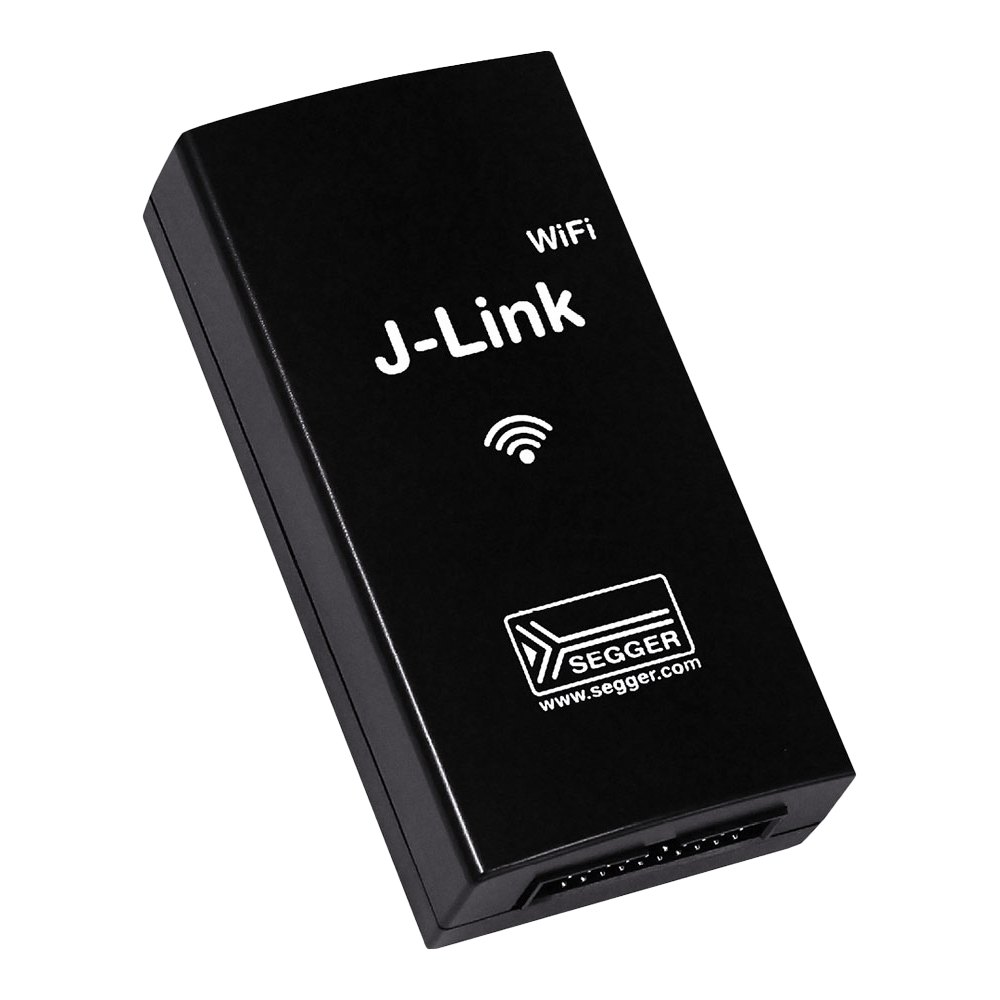
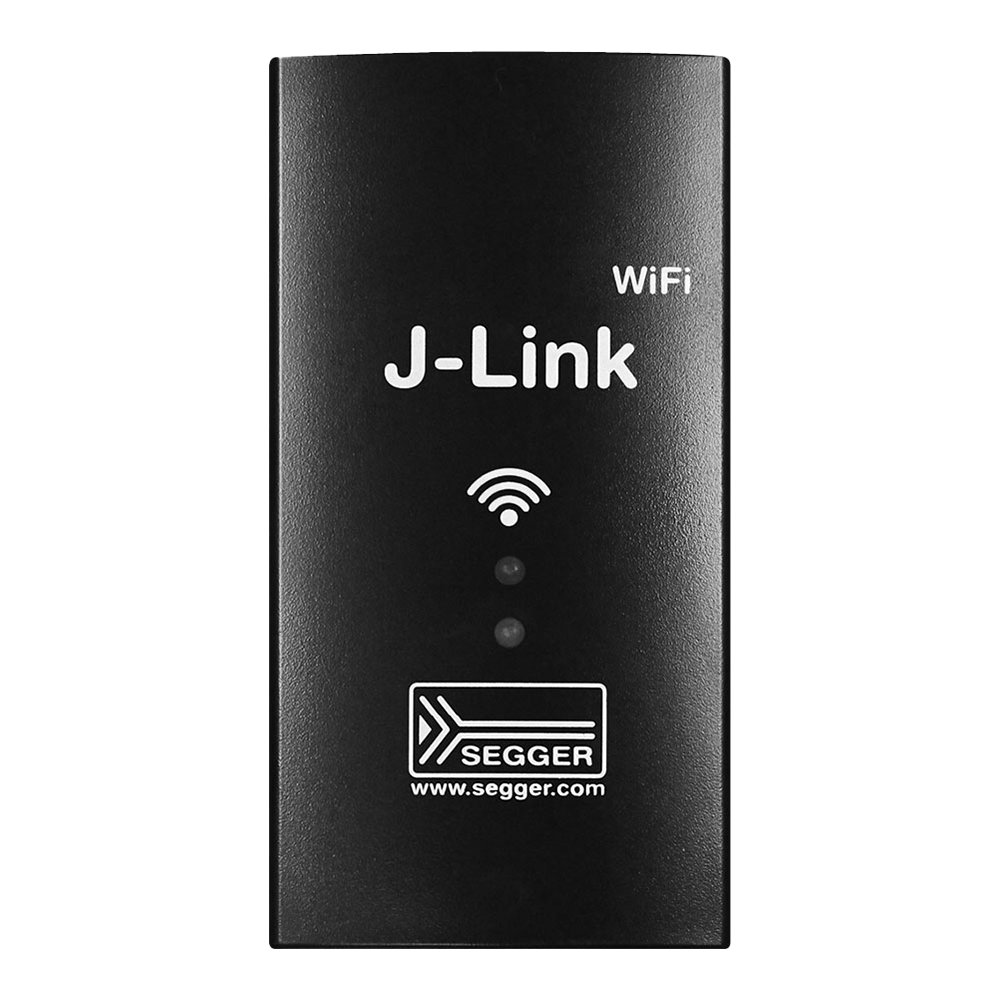
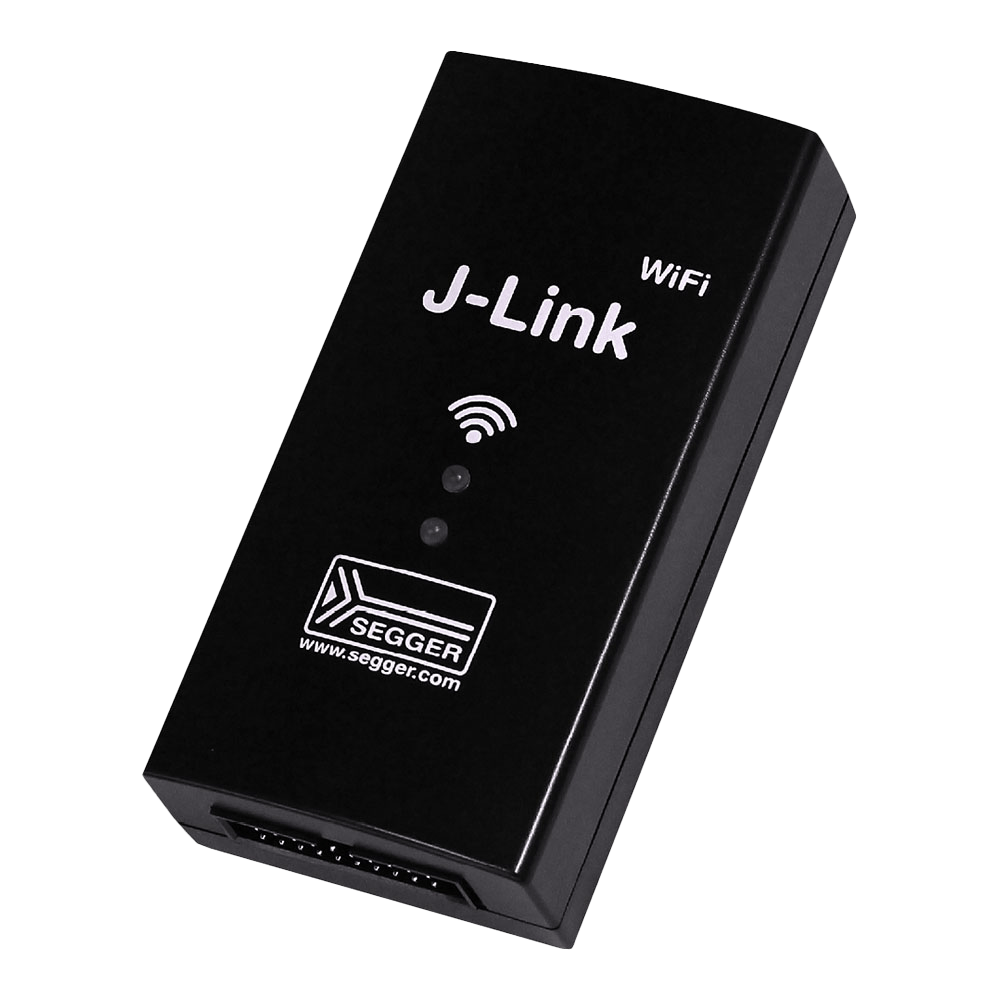
The SEGGER J-Link WiFi revolutionises embedded debugging by combining professional-grade debug capabilities with wireless connectivity. This advanced probe communicates at speeds up to 15MHz via IEEE 802.11 b/g/n WiFi, making it ideal for mobile applications, robotics, and systems requiring physical isolation from the development environment.
Perfect for scenarios where traditional wired connections prove impractical, the J-Link WiFi maintains full compatibility with all major IDEs including Eclipse, SEGGER Embedded Studio, and GDB-based development environments. The probe supports the complete range of ARM Cortex-A/R/M cores, plus RISC-V, ensuring broad applicability across modern embedded projects.
How it connects
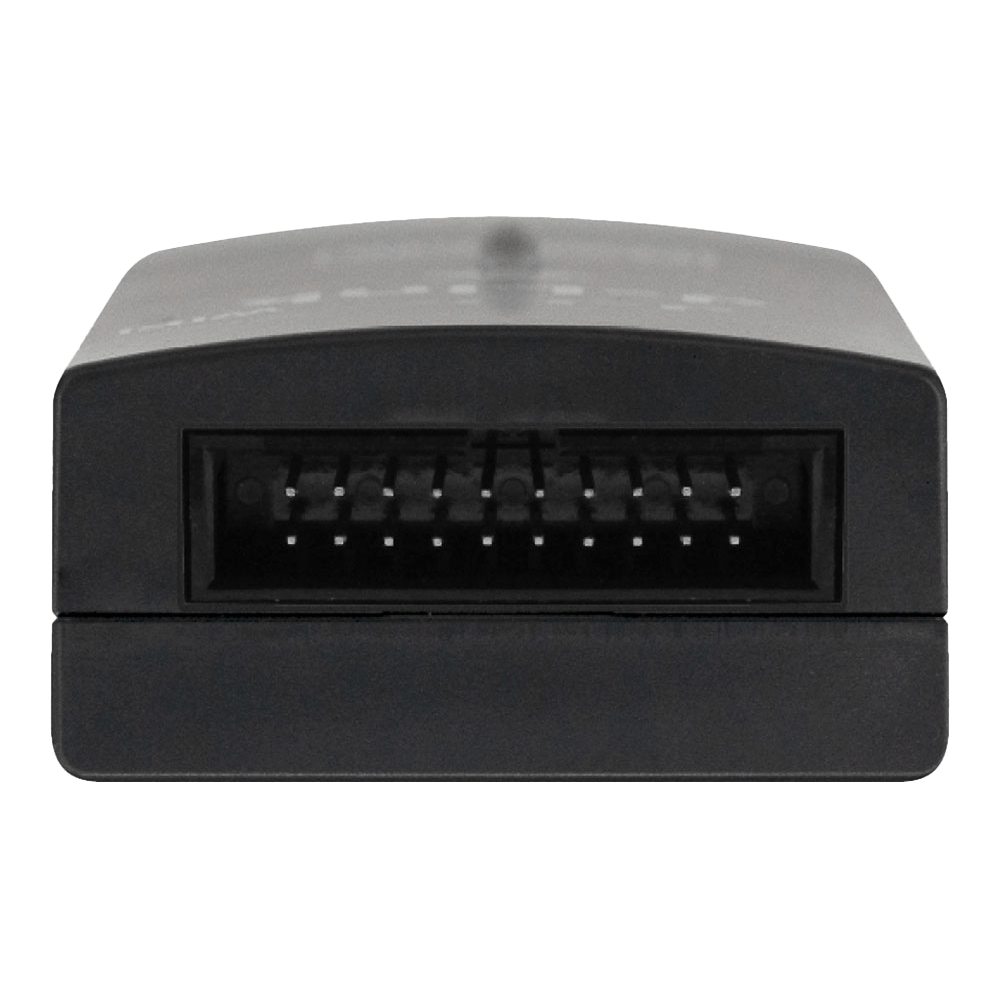
This J-Link uses SEGGER's standard 20-pin 0.1" (2.54 mm) JTAG/SWD connector, the same connector used on every J-Link and Flasher. For SWD you need VTref (pin 1), SWDIO (pin 7), SWCLK (pin 9), nRESET (pin 15) and GND (pin 4), plus SWO (pin 13) if you want trace output. Full JTAG, SWD, cJTAG and SPI pin tables, and the adapters for 10-pin 0.05" Cortex Debug headers: SEGGER J-Link 20-pin connector pinout.
Downloads
Why Engineers Choose The SEGGER J-Link WiFi Wireless Debug Probe (8.14.28)
Wireless Freedom
Professional Performance
Complete Solution
Professional Wireless Debugging for Mobile Applications
The J-Link WiFi represents a breakthrough in embedded debugging technology, combining SEGGER's industry-leading debug capabilities with wireless connectivity. This JTAG/SWD debug probe operates at speeds up to 15MHz, delivering professional-grade debugging performance through a stable WiFi interface.
Wireless Freedom for Modern Development
Eliminate the constraints of physical connections when debugging mobile applications, robotic systems, or embedded devices that require movement during testing. The J-Link WiFi enables remote debugging scenarios previously impossible with traditional wired probes.
Wiring Quick-Start
Connect your target system using the standard 20-pin JTAG/SWD interface:
| Pin | Signal | Description |
|---|---|---|
| 1 | VTref | Target reference voltage (1.2V - 5V) |
| 7 | SWDIO | Serial Wire Data I/O (bidirectional) |
| 9 | SWCLK | Serial Wire Clock |
| 13 | SWO | Serial Wire Output (trace data) |
| 15 | nRESET | Target reset (active low) |
| 19 | 5V Supply | Target power (max 300mA) |
Even-numbered pins (2, 4, 6, 8, 10, 12, 14, 16, 18, 20) connect to ground.
Network Configuration
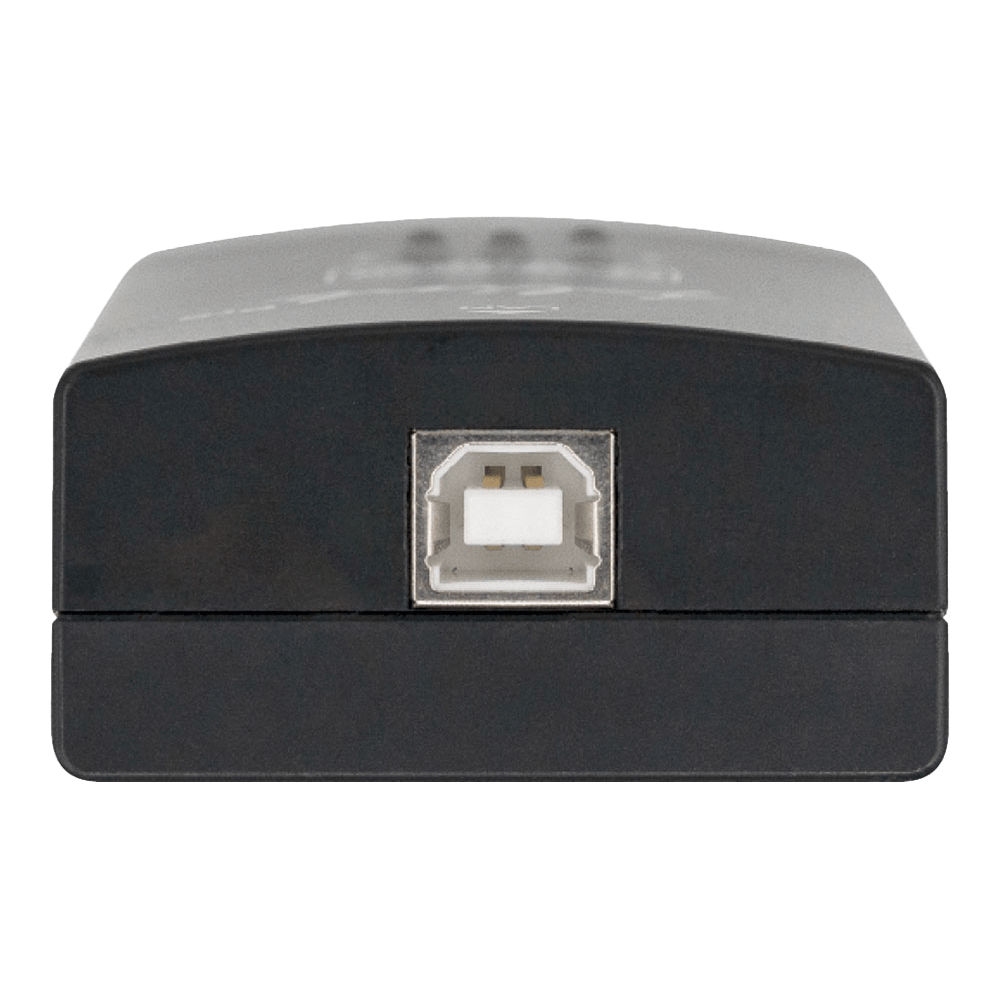
The J-Link WiFi includes a built-in web server for easy network configuration. Connect via USB initially to configure WiFi settings through the web interface at the device's IP address.
// Example GDB connection via WiFi target remote 192.168.1.100:2331 monitor reset load continueProfessional Software Suite
Includes comprehensive licenses for:
- Unlimited Flash Breakpoints
- J-Flash programming software
- Ozone graphical debugger
- RDI/RDDI interfaces
- GDB Server
Questions and Answers
-
What's the Maximum Distance for WiFi Debugging?
SEGGER does not publish a range figure. Range depends on your WiFi infrastructure, and enterprise WiFi systems or repeaters can extend it for large facilities or outdoor use.
-
Does the J-Link WiFi Work with Major Development Environments?
It is compatible with most major environments, including Eclipse, Keil MDK, IAR EWARM, SEGGER Embedded Studio, GDB-based IDEs and others. The probe appears as a standard J-Link to your development tools.
-
Can I Power My Target Device Through the J-Link WiFi?
Yes, pin 19 provides 5V at up to 300mA to power small target boards. Larger systems will need separate power supplies, but the probe can still monitor target voltage levels for debugging.
-
Is the Wireless Connection Secure for Commercial Development?
SEGGER specifies IEEE 802.11 b/g/n (2.4 GHz) and does not list WiFi security protocols, so check it against your own security requirements. For sensitive projects, it can run on isolated networks or VPNs.
-
What's Included in the Software Package?
The professional software suite includes:
- Unlimited flash breakpoints
- J-Flash programming software
- Ozone graphical debugger
- RDI/RDDI interfaces
- GDB Server
- One year of email support with free software updates
-
What Makes the J-Link WiFi Different From Other Wireless Debug Probes?
The J-Link WiFi gives professional-grade debugging with a target interface of up to 15MHz, connected over WiFi, with a built-in web server for configuration. It also includes software licences and unlimited flash breakpoints.
-
Which Microcontrollers Are Supported by the J-Link WiFi?
The probe supports:
- ARM Cortex-A/R/M cores
- RISC-V processors
- Legacy ARM7/9/11
- Microchip PIC32
- Renesas RX
- SiLabs 8051 devices
That covers thousands of devices from major semiconductor manufacturers.
-
Can the J-Link WiFi Debug Devices While They're Moving or Rotating?
Yes. With no cable, you can debug robotic systems, rotating machinery or any mobile embedded application.
-
How Do I Configure the WiFi Network Settings?
Connect via USB first, then enter the SSID and password with J-Link Configurator or the J-Link Commander SetWifi command, both in the free J-Link software pack. The probe then joins the network by DHCP and reports its IP address.
-
Can Multiple Engineers Debug the Same Device Remotely?
SEGGER's J-Link Remote Server documentation describes a single client connection, and simultaneous access by several engineers is not documented. Remote Server lets developers connect to the target over the network from any location.
No questions match your search.