
SEGGER Microcontroller GmbH
SEGGER J-Link BASE Kompakt
SEGGER J-Link BASE Kompakt
SKU: 8.19.00
Verfügbarkeit für Abholungen konnte nicht geladen werden
Key Features
Overview
Professional-Grade Debugging in a Compact Form Factor
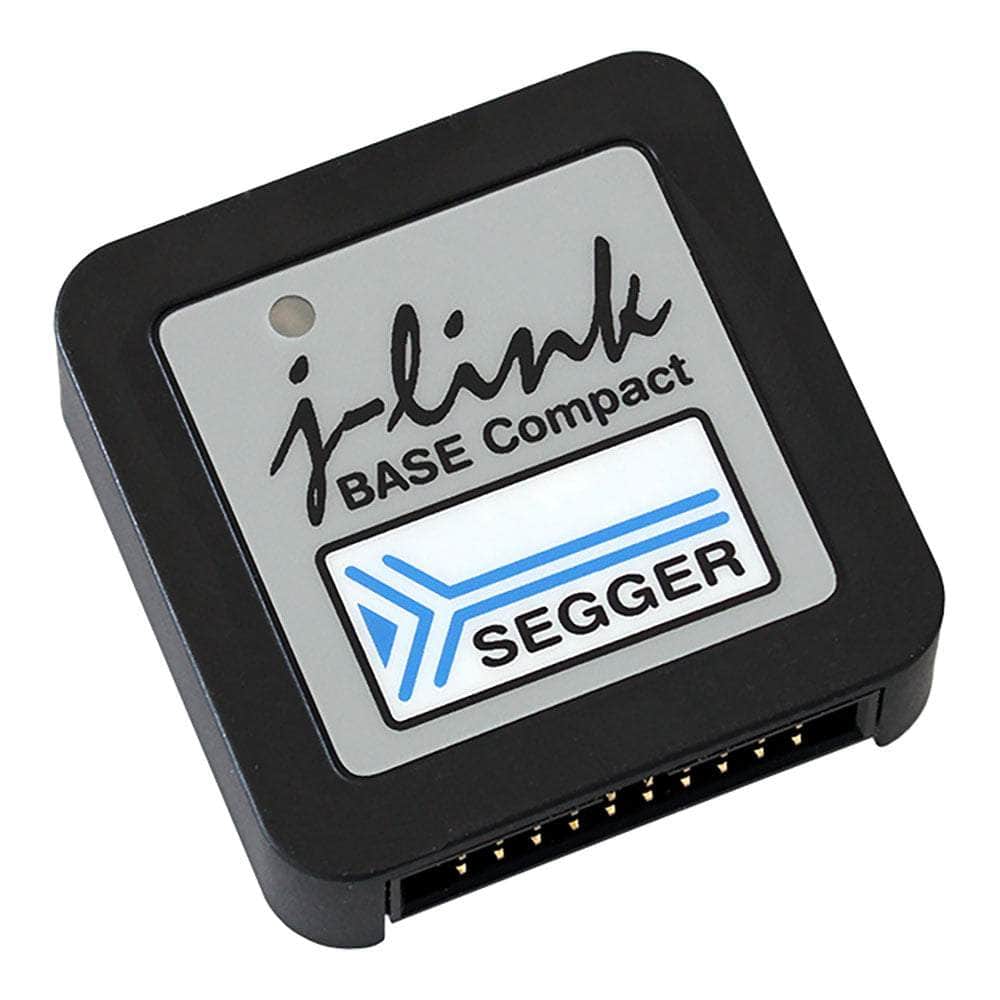
The SEGGER J-Link BASE Compact represents the perfect entry point into professional embedded debugging for electronic design engineers. This miniaturised version of SEGGER's market-leading J-Link debug probe family delivers exceptional 1 MB/s download speeds whilst maintaining the reliability and extensive device support that has made J-Link the industry standard for ARM Cortex development.
Engineered for Integration
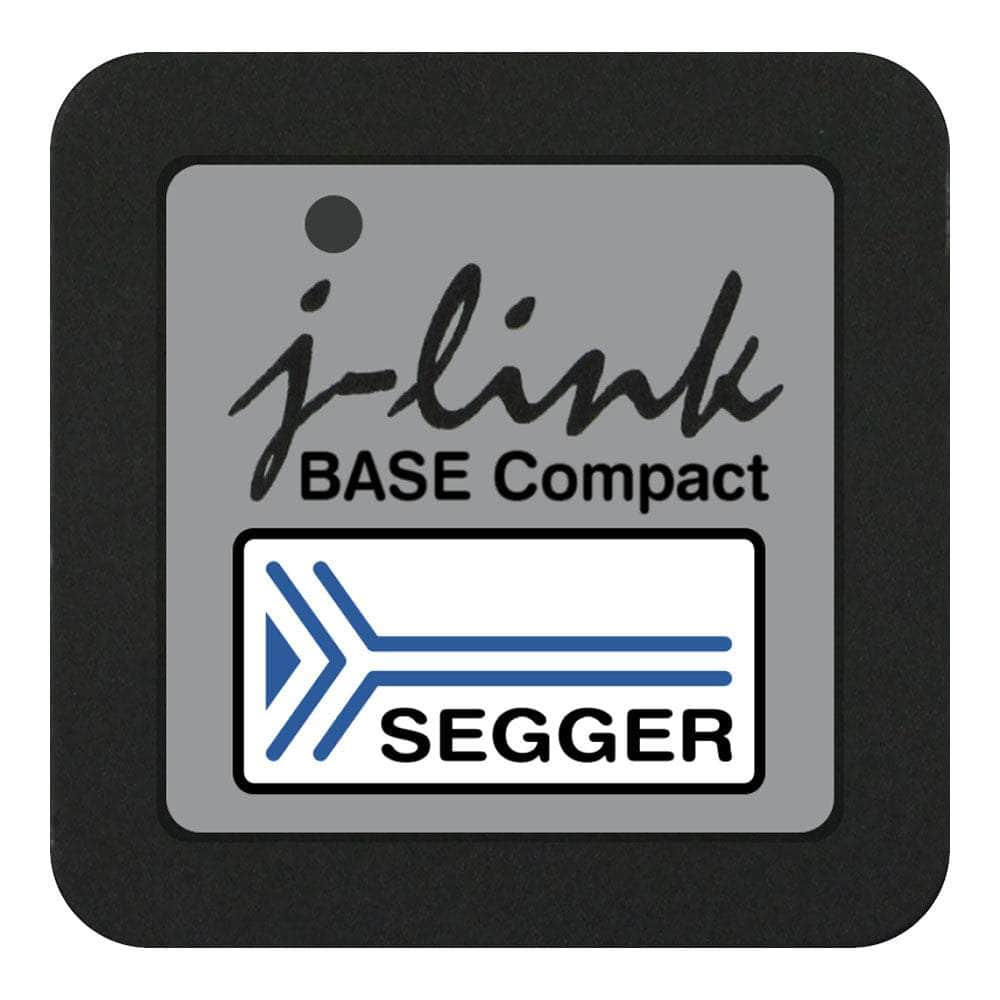
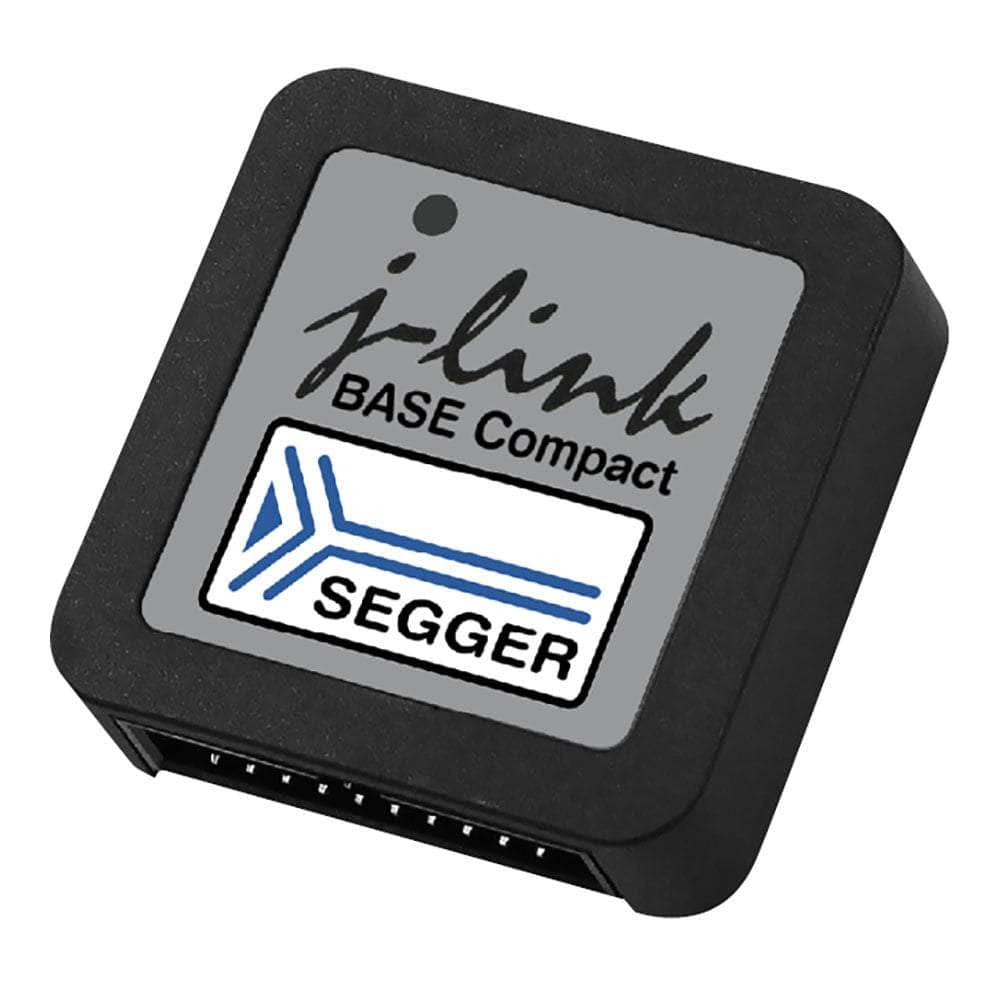
Measuring just 46mm x 46mm x 17mm and weighing only 20g, the J-Link BASE Compact is specifically designed for seamless integration into development systems, test fixtures, and end-user equipment. Two mounting holes enable secure PCB mounting or housing integration, making it ideal for automated test environments and long-term deployment scenarios.
Universal Compatibility and Future-Proof Investment
Supporting JTAG, SWD, SWO, and ICSP interfaces with voltage ranges from 1.2V to 5V, this debug probe works with ARM Cortex-M, Cortex-A, Cortex-R, RISC-V, Renesas RX, Microchip PIC32, and SiLabs 8051 cores. Compatible with all major IDEs including Eclipse, Visual Studio Code, IAR EWARM, Keil µVision, and SEGGER Embedded Studio, ensuring your debugging investment remains valuable across projects and toolchain changes.
The J-Link BASE Compact includes SEGGER's proven Real-Time Transfer (RTT) technology for high-speed bidirectional communication without affecting real-time behaviour, plus built-in VCOM functionality for UART bridging. Free lifetime software updates ensure continued support for new devices and enhanced features.
Also available as J-Link BASE Classic in traditional desktop form factor with identical functionality.
How it connects
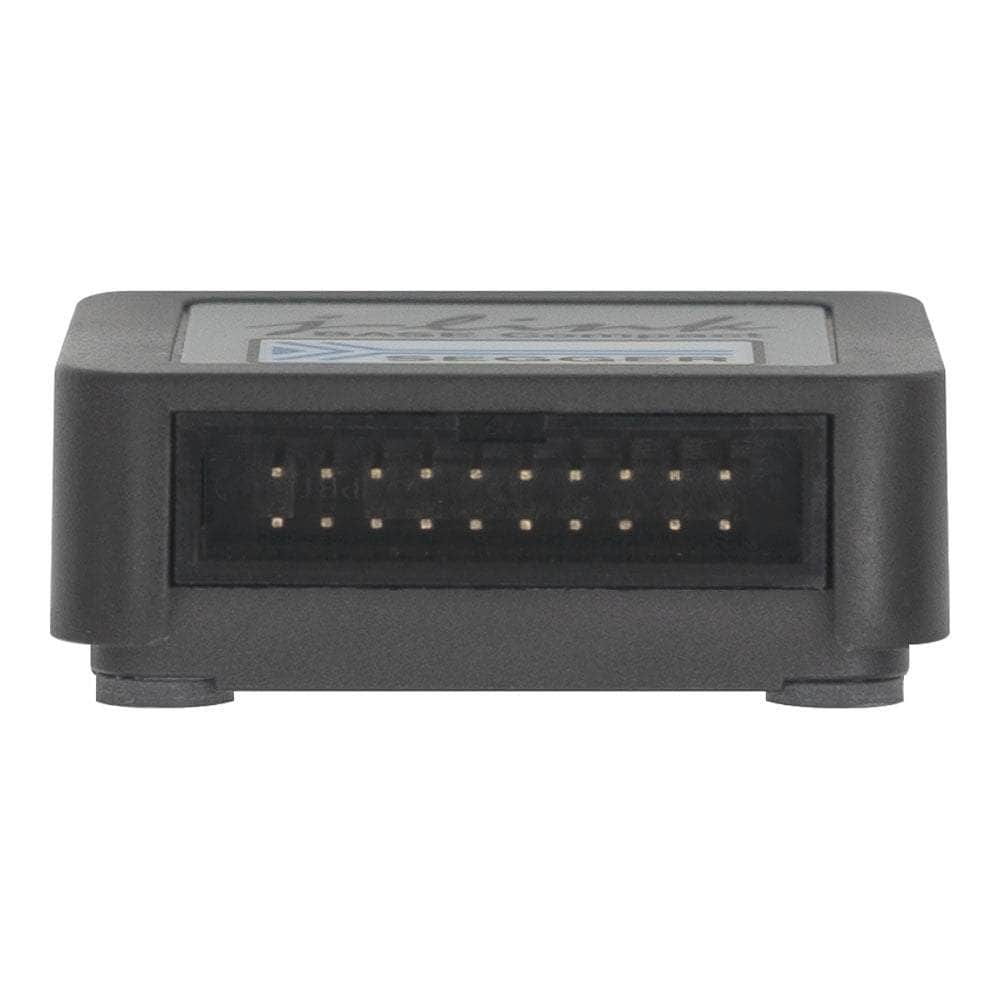
This J-Link uses SEGGER's standard 20-pin 0.1" (2.54 mm) JTAG/SWD connector, the same connector used on every J-Link and Flasher. For SWD you need VTref (pin 1), SWDIO (pin 7), SWCLK (pin 9), nRESET (pin 15) and GND (pin 4), plus SWO (pin 13) if you want trace output. Full JTAG, SWD, cJTAG and SPI pin tables, and the adapters for 10-pin 0.05" Cortex Debug headers: SEGGER J-Link 20-pin connector pinout.
Downloads
Why Engineers Choose The SEGGER J-Link BASE Kompakt
Secure Mounting
Versatile Target Support
Scalable Functionality
Questions and Answers
-
Which Microcontroller Families Are Supported by the J-Link BASE Compact?
Supported families include:
- ARM Cortex-M0/M0+/M1/M3/M4/M7/M23/M33/M55/M85
- Cortex-A5/A7/A8/A9/A53/A72
- Cortex-R4/R5/R8/R52
- RISC-V RV32/RV64
- Renesas RX series
- Microchip PIC32
- SiLabs 8051 cores
These cover thousands of specific device variants.
-
How Does J-Link BASE Compact Compare to More Expensive J-Link PLUS Models?
J-Link BASE Compact has the same download speed as the PLUS (up to 1 MB/s) and the same target interface speed (up to 15 MHz). The difference is software: the BASE lacks the unlimited flash breakpoints, J-Flash programming software and Ozone debugger licences included with the PLUS. It does include all essential debugging features, RTT technology and VCOM at a lower price. -
Can Multiple J-Link BASE Compact Units Be Used Simultaneously?
Yes. Multiple units can run at the same time on one system for parallel device programming, multi-core debugging or test farm applications. Each unit operates independently and has a unique serial number for identification and control. -
What Software and Development Environments Are Compatible?
Compatible IDEs include:
- SEGGER Embedded Studio
- Eclipse-based environments
- IAR Embedded Workbench
- Keil µVision
- Visual Studio Code
- Atmel Studio
- Any GDB-based debugging solution
The J-Link software package supports Windows, Linux and macOS.
-
Does the J-Link BASE Compact Include Technical Support and Documentation?
Yes. Purchase includes user documentation, one year of basic technical support and access to SEGGER's knowledge base. Free software updates keep it compatible with new devices and add improved debugging capabilities throughout the product lifecycle. -
Can I Use It Without a Separate Power Supply?
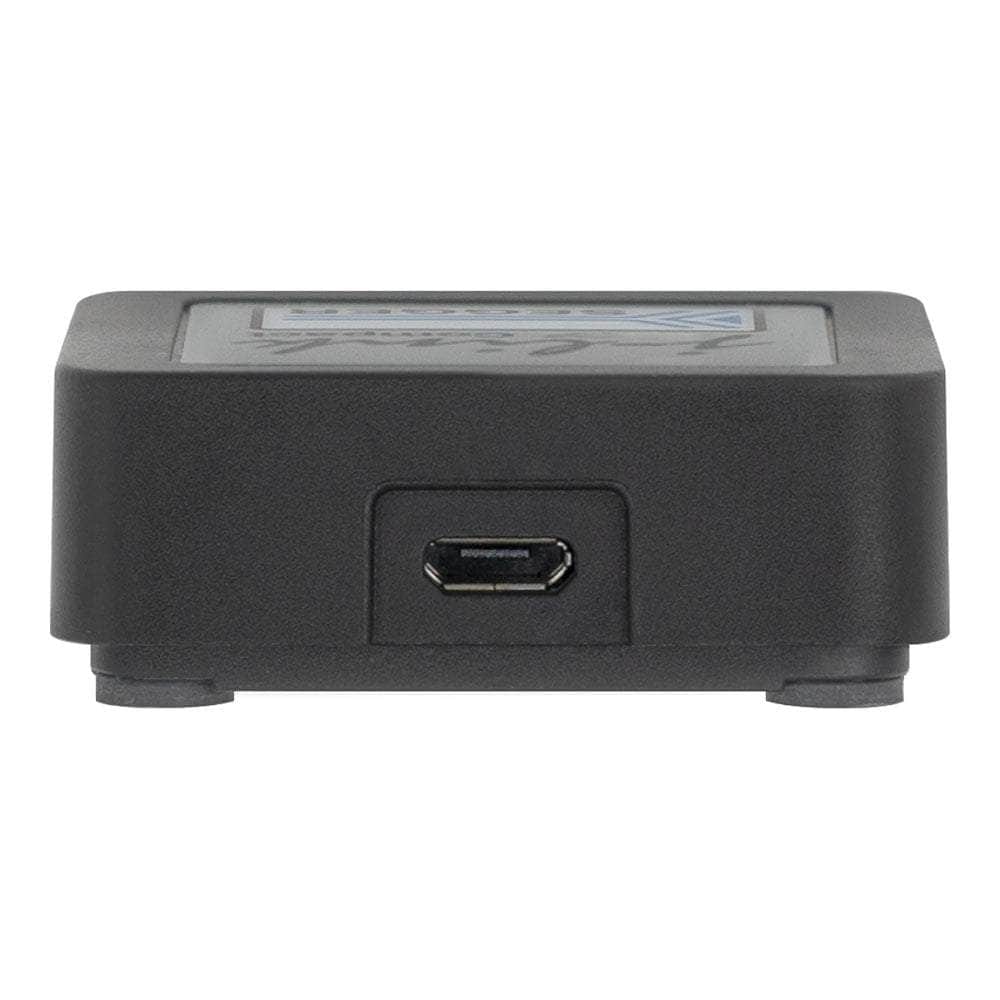
Yes, it’s USB‑powered and requires no external power source for operation. -
Can I Set Unlimited Breakpoints in Flash Memory?
No, not by default. Unlimited flash breakpoints require the BASE to PLUS upgrade. -
What Are My Upgrade Options?
You can buy the BASE to PLUS upgrade to enable J-Flash, unlimited breakpoints, the Ozone debugger, RDI/RDDI and more. -
Why Choose BASE Compact Over More Expensive Models?
It offers core debugging functionality and compact mounting for verification fixtures, with upgrade paths to more advanced tools. -
Does It Support Real‑time Data Streaming?
Yes, RTT (Real Time Transfer) enables live data streaming from target to host during debugging. -
What Makes the J-Link BASE Compact Different From Cheaper Debugging Alternatives?
The J-Link BASE Compact has a dedicated 32-bit RISC processor that enables intelligent communication protocols, adaptive clocking and reliable operation at various target speeds. Unlike basic USB-to-JTAG converters, it provides fast flash programming (up to 1 MB/s download) and SEGGER's RTT technology for real-time debugging without performance impact. -
Can the J-Link BASE Compact Be Used for Commercial Product Development?
Yes. The J-Link BASE Compact includes a full commercial licence permitting use in commercial product development, manufacturing test fixtures and production environments. EDU variants are restricted to educational and non-commercial use only. -
How Does Real-Time Transfer (RTT) Technology Benefit Embedded Debugging?
RTT gives bidirectional high-speed communication between host and target without needing UART pins or affecting real-time behaviour. You can use it for printf-style debug output, variable monitoring and input data injection while keeping system timing intact, which matters for time-sensitive applications. -
What Voltage Levels and Interfaces Does the J-Link BASE Compact Support?
It supports target voltages from 1.2V to 5V, adapts automatically to the target voltage level and provides 300mA target supply. Supported interfaces:
- JTAG
- SWD (Serial Wire Debug)
- SWO (Serial Wire Output)
- cJTAG
- Microchip ICSP
- Renesas FINE
- SiLabs C2
-
Is the Compact Form Factor Suitable for Production Test Environments?
Yes. The 46x46x17mm footprint with two mounting holes lets you build it into automated test fixtures, production lines and service equipment. The design withstands industrial environments and has the same functionality as desktop J-Link variants. -
What Is the SEGGER J‑Link BASE Compact Used For?
It's a USB-powered JTAG/SWD debug probe for programming and debugging microcontrollers across many CPU architectures in professional firmware development. -
Which CPU Cores Does the BASE Compact Support?
It supports ARM (legacy and Cortex-M/R/A), RISC-V, Renesas RX, Microchip PIC32 and more. -
How Fast Is Firmware Download with BASE Compact?
Up to 1 MB per second into RAM or flash. -
What IDEs Are Compatible with J‑Link BASE Compact?
It works with GDB-based IDEs, SEGGER Embedded Studio, Visual Studio Code and other major development environments.

No questions match your search.