
Array Electronic Co Ltd
Array 375X Series DC Electronic Loads
Array 375X Series DC Electronic Loads
SKU: 3750A
Couldn't load pickup availability
Key Features
Overview
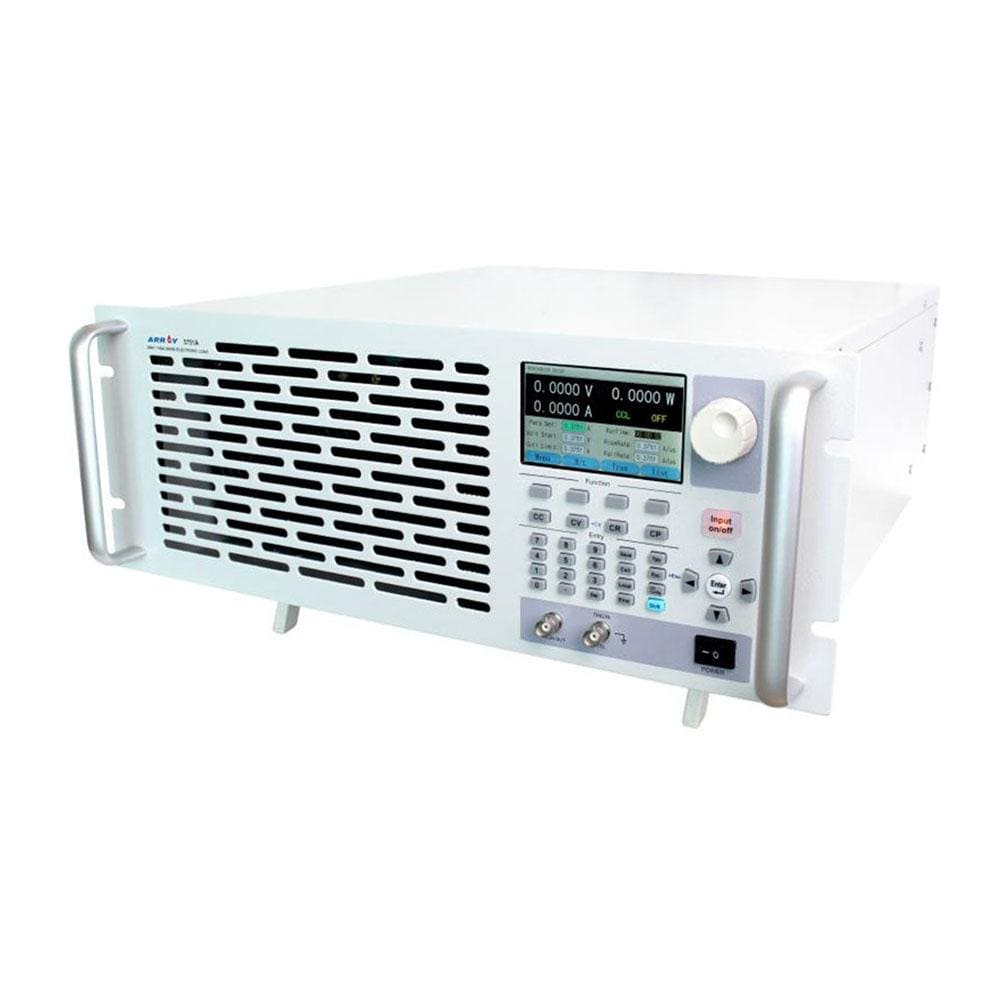
The Array 375X Series of Electronic Load is a new-generation high-performance programmable electronic load that provides powerful test functionality and a friendly human-machine interface.
The electronic load is equipped with RS232, USB, and GPIB interface and supports SCPI standard commands for programmable instrumentation and LabView development platform, which is widely used in the scientific research and production fields of aerospace, shipbuilding, auto electronics, solar cell, and fuel cell.
Downloads
The Array 375X Series of Electronic Loads are a new-generation of high-performance programmable electronic load developed by Array Electronic Co. Ltd. They provides powerful test functions and a friendly human-machine interface.
Each Electronic Load is equipped with RS232, USB and GPIB interfaces and they support SCPI standard commands for
programmable instrumentation and LabView development platforms. These are widely used in the scientific research
and production field of aerospace, shipbuilding, auto electronics, solar cells and fuel cell technologies.
Specifications
(The warm-up time is 30 minutes. Specifications indicate warranted performance in the 25°C ± 5°C region of the total temperature range).
| Model | 3750A | 3751A | 3754A | 3755A | 3756A | |||||
| Current | 0~100A | 0~150A | 0~180A | 0~240A | 0~260A | |||||
| Voltage | 0~240V | 0~240V | 0~240V | 0~240V | 0~240V | |||||
| Power *1 | 1500W at 40oC | 2000W at 40oC | 3000W at 40oC | 4000W at 40oC | 5000W at 40oC | |||||
| Input Characteristics |
|
|
|
|
|
|||||
Constant Current Mode |
||||||||||
| Low Range | 0~6A | 0~6A | 0~8A | 0~8A | 0~8A | |||||
| Resolution | 0.1mA | 0.1mA | 0.1mA | 0.1mA | 0.1mA | |||||
| Accuracy | 0.2%+5mA | 0.2%+5mA | 0.2%+5mA | 0.2%+5mA | 0.2%+5mA | |||||
| High Range | 0~100A | 0~150A | 0~180A | 0~240A | 0~260A | |||||
| Resolution | 1mA(0~100A) | 1mA(0~100A) | 1mA(0~100A) | 1mA(0~100A) | 1mA(0~100A) | |||||
| 10mA(100~150A) | 10mA(100~180A) | 10mA(100~240A) | 10mA(100~260A) | |||||||
| Accuracy | 0.2%+10mA | 0.2%+10mA | 0.2%+10mA | 0.2%+10mA | 0.2%+10mA | |||||
Constant Voltage Mode |
||||||||||
| Range | 0~240V | 0~240V | 0~240V | 0~240V | 0~240V | |||||
| Resolution | 1mV (0~100V) | 1mV (0~100V) | 1mV (0~100V) | 1mV (0~100V) | 1mV (0~100V) | |||||
| 10mV(100~240V) | 10mV(100~240V) | 10mV(100~240V) | 10mV(100~240V) | 10mV(100~240V) | ||||||
| Accuracy | 0.2%+10mV | 0.2%+10mV | 0.2%+10mV | 0.2%+10mV | 0.2%+10mV | |||||
Constant Resistance Mode |
||||||||||
| Low Range | 0.2Ω~2.4MΩ | 0.2Ω~2.4MΩ | 0.2Ω~2.4MΩ | 0.2Ω~2.4MΩ | 0.2Ω~2.4MΩ | |||||
| Resolution | 0.1mΩ | 0.1mΩ | 0.1mΩ | 0.1mΩ | 0.1mΩ | |||||
| Accuracy @V>6V | 0.5%+12mΩ | 0.5%+12mΩ | 0.5%+12mΩ | 0.5%+12mΩ | 0.5%+12mΩ | |||||
| High Range | 0.02Ω~240K | 0.01Ω~240K | 0.01Ω~240K | 0.01Ω~240K | 0.01Ω~240K | |||||
| Resolution | 0.1mΩ | 0.1mΩ | 0.1mΩ | 0.1mΩ | 0.1mΩ | |||||
| Accuracy @V>6V | 0.5%+12mΩ | 0.5%+12mΩ | 0.5%+12mΩ | 0.5%+12mΩ | 0.5%+12mΩ | |||||
Constant Power Mode |
||||||||||
| Range | 0~1500W | 0~2000W | 0~3000W | 0~4000W | 0~5000W | |||||
| Resolution @P< 100W |
1mW | 1mW | 1mW | 1mW | 1mW | |||||
| @P≥100W | 10mW | 10mW | 10mW | 10mW | 10mW | |||||
| @P≥1000W | 100mW | 100mW | 100mW | 100mW | 100mW | |||||
| Accuracy | 0.2%+600mW | 0.2%+600mW | 0.2%+600mW | 0.2%+600mW | 0.2%+600mW | |||||
Current Measurement |
||||||||||
| Low Range | 0~6A | 0~6A | 0~8A | 0~8A | 0~8A | |||||
| Resolution | 0.1mA | 0.1mA | 0.1mA | 0.1mA | 0.1mA | |||||
| Accuracy | 0.1%+6mA+Vin/50KΩ | 0.1%+6mA+Vin/50KΩ | 0.1%+6mA+Vin/50KΩ | 0.1%+6mA+Vin/50KΩ | 0.1%+6mA+Vin/50KΩ | |||||
| High Range | 0~100A | 0~150A | 0~180A | 0~240A | 0~260A | |||||
| Resolution | 1mA(0~100A) | 1mA(0~100A) | 1mA(0~100A) | 1mA(0~100A) | 1mA(0~100A) | |||||
| 10mA(100~150A) | 10mA(100~180A) | 10mA(100~240A) | 10mA(100~260A) | |||||||
| Accuracy | ±(0.2%+8 mA +Vin/50KΩ |
±(0.2%+8 mA +Vin/50KΩ |
±(0.2%+8 mA +Vin/50KΩ |
±(0.2%+8 mA +Vin/50KΩ |
±(0.2%+8 mA +Vin/50KΩ |
|||||
Voltage Measurement |
||||||||||
| Range | 0~240V | 0~240V | 0~240V | 0~240V | 0~240V | |||||
| Resolution | 1mV (0~100V) | 1mV (0~100V) | 1mV (0~100V) | 1mV (0~100V) | 1mV (0~100V) | |||||
| 10mV(100~240V) | 10mV(100~240V) | 10mV(100~240V) | 10mV(100~240V) | 10mV(100~240V) | ||||||
| Accuracy | 0.1%+8mV | 0.1%+8mV | 0.1%+8mV | 0.1%+8mV | 0.1%+8mV | |||||
Power Measurement |
||||||||||
| Range | 0~1500W | 0~2000W | 0~3000W | 0~4000W | 0~5000W | |||||
| Resolution @P< 100W |
1mW | 1mW | 1mW | 1mW | 1mW | |||||
| @P≥100W | 10mW | 10mW | 10mW | 10mW | 10mW | |||||
| @P≥1000W | 100mW | 100mW | 100mW | 100mW | 100mW | |||||
| Accuracy | 0.2%+600mW | 0.2%+600mW | 0.2%+600mW | 0.2%+600mW | 0.2%+600mW | |||||
Current Response Time |
||||||||||
| Mode CCH | 1mA/µs~10A/µs | 1mA/µs~15A/µs | 1mA/µs~18A/µs | 1mA/µs~20A/µs | 1mA/us~22A/µs | |||||
| CCL *2 | 100uA/µs~600mA/µs | 100uA/µs~600mA/µs | 100µA/µs~600mA/µs | 100µA/µs~600mA/µs | 100uA/µs~600mA/µs | |||||
| Resolution | 1mA/µs | 1mA/µs | 1mA/µs | 1mA/µs | 1mA/µs | |||||
| Accuracy *3 | 3% + 10µs | 3% + 10µs | 3% + 10µs | 3% + 10µs | 3% + 10µs | |||||
Transient Measurements |
||||||||||
| Transient mode | Continuous、pulsed、Toggled | Continuous、pulsed、Toggled | Continuous、pulsed、Toggled | Continuous、pulsed、Toggled | Continuous、pulsed、Toggled | |||||
| Frequency range *4 | 0.025Hz~50kHz | 0.025Hz~50kHz | 0.025Hz~50kHz | 0.025Hz~50kHz | 0.025Hz~50kHz | |||||
| High/Low Transfer Time | 10us~10s | 10us~10s | 10us~10s | 10us~10s | 10us~10s | |||||
| Resolution | 10us | 10us | 10us | 10us | 10us | |||||
| Accuracy | 0.2%+10µs | 0.2%+10µs | 0.2%+10µs | 0.2%+10µs | 0.2%+10µs | |||||
| Rise/Fall Time | 10us~10s | 10us~10s | 10us~10s | 10us~10s | 10us~10s | |||||
| Resolution | 10us | 10us | 10us | 10us | 10us | |||||
| Accuracy | 0.2%+10µs | 0.2%+10µs | 0.2%+10µs | 0.2%+10µs | 0.2%+10µs | |||||
List Measurement |
||||||||||
| Step Time | 10us~99999s | 10us~99999s | 10us~99999s | 10us~99999s | 10us~99999s | |||||
| Resolution | 10us | 10us | 10us | 10us | 10us | |||||
| Accuracy | 0.2%+10µs | 0.2%+10µs | 0.2%+10µs | 0.2%+10µs | 0.2%+10µs | |||||
| Step Number | 1~50 | 1~50 | 1~50 | 1~50 | 1~50步 | |||||
| Loop Times | 1~255 | 1~255 | 1~255 | 1~255 | 1~255 | |||||
| Saved Volume | 10 | 10 | 10 | 10 | 10 | |||||
| Expanded Function | Chain | Chain | Chain | Chain | Chain | |||||
Response Times |
||||||||||
| Current | 10A/µs | 15A/µs | 18A/µs | 20A/µs | 22A/µs | |||||
| Voltage | 0.5V/µs | 0.6V/µs | 0.6V/µs | 0.6V/µs | 0.6V/µs | |||||
| Open Impedance | ≥20kΩ | ≥20kΩ | ≥20kΩ | ≥20kΩ | ≥20kΩ | |||||
Trigger |
||||||||||
| Trigger Level | TTL Fall | TTL Fall | TTL Fall | TTL Fall | TTL Fall | |||||
| Trigger pulse delay | ≥10us | ≥10us | ≥10us | ≥10us | ≥10us | |||||
Limited Input |
||||||||||
| Current | 101A | 151A | 181A | 241A | 261A | |||||
| Voltage | 242V | 242V | 242V | 242V | 242V | |||||
| Protected mode | Over current | Over current | Over current | Over current | Over current | |||||
| Over temperature | Over temperature | Over temperature | Over temperature | Over temperature | ||||||
| Over Power | Over Power | Over Power | Over Power | Over Power | ||||||
| Alarm function | Over voltage | Over voltage | Over voltage | Over voltage | Over voltage | |||||
| Polar opposite | Polar opposite | Polar opposite | Polar opposite | Polar opposite | ||||||
Opposite Current Capacity |
||||||||||
| Input OFF | 90A | 120A | 150A | 200A | 220A | |||||
| Input ON | 100A | 150A | 180A | 240A | 260A | |||||
Rippling & Noise |
||||||||||
| Current(rms/p-p) | ≤3mA/30mA | ≤3mA/30mA | ≤5mA/30mA | ≤8mA/30mA | ≤8mA/30mA | |||||
| Voltage (rms) | ≤5mV | ≤5mV | ≤5mV | ≤5mV | ≤5mV | |||||
Environment |
||||||||||
| Temperature *1 | 0~50°C | 0~50°C | 0~50°C | 0~50°C | 0~50°C | |||||
| Humidity | ≤85% | ≤85% | ≤85% | ≤85% | ≤85% | |||||
| Interface *5 | RS232, GPIB, USB | RS232, GPIB, USB | RS232, GPIB, USB | RS232, GPIB, USB | RS232, GPIB, USB | |||||
| Programming | SCPI | SCPI | SCPI | SCPI | SCPI | |||||
Rated Input |
||||||||||
| Voltage | (AC110V、AC120V、 AC220V、AC240V)±10% |
(AC110V、AC120V、 AC220V、AC240V)±10% |
(AC110V、AC120V、 AC220V、AC240V)±10% |
(AC110V、AC120V、 AC220V、AC240V)±10% |
(AC110V、AC120V、 AC220V、AC240V)±10% |
|||||
| Frequency | 48 to 63Hz | 48 to 63Hz | 48 to 63Hz | 48 to 63Hz | 48 to 63Hz | |||||
| Power consumption |
100VA | 100VA | 130VA | 130VA | 130VA | |||||
| Net Weight | 24kg | 26.5kg | 38kg | 42kg | 45kg | |||||
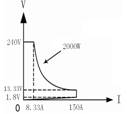

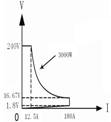
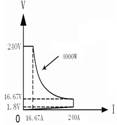
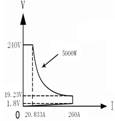
*1 As the environment temperature less than 40°C, this apparatus can load the rated input power continuously, more than 40°C and less than 50°C,only can load the 75% of rated input power.
*2 At CCL mode, current transfer speed is the 1/10 of the set value.
*3 Transfer time is the time that from 10% to 90% of the final value.
*4 Transient frequency is decided by the high/low level keeping time and rise & fall time.
*5 Standard attachments include an RS232 interface and USB interface, selected attachment is including GPIB interface.
| General Information | |
|---|---|
Part Number (SKU) |
3750A
|
Manufacturer |
|
| Physical and Mechanical | |
Product Weight |
24.0 kg
|
| Other | |
EAN |
5055383621088
|
Questions and Answers
-
What Protection Features and Safety Mechanisms Are Built Into the Array 375XA Electronic Load?
The 375XA has these protection functions:
- Over-Current Protection (OCP)
- Over-Power Protection (OPP)
- Over-Temperature Protection (OTP)
- Over-Voltage (OV) alarm
- Reverse-Voltage (RV) alarm
A high-speed power limiting circuit limits input power during overload; a sustained overload trips OPP. A high-efficiency intelligent cooling system supports long-term continuous operation at full power.
-
What Are the Advantages of the Array 375XA's High-Speed Transient Testing?
It reaches transient frequencies up to 50kHz, with current slew rates from 7.5 to 22A/µs depending on model (15A/µs on the 3751A).
Its 16-bit D/A converters run at up to 500kHz. This supports power supply transient response testing, battery resistance measurement and impedance analysis, and Array lists automotive electronics and aerospace among its applications.
-
How Easy Is the Array 375XA Electronic Load to Use?
It has a high-resolution TFT-LCD, numeric keypad and rotary knob.
The automatic ON/OFF function simplifies tests, and Save/Recall stores up to 10 groups of common settings. The front panel shows voltage, current, power and operating status.
-
What Sequential Programming and Automation Features Does the Array 375XA Offer?
Sequential (list) test functions allow step times from 10µs to 99,999 seconds.
Each list holds up to 50 steps, 10 lists can be stored, and lists can be controlled from a PC. The loop count is programmable, and lists can be linked for complex procedures such as battery cycle testing, power supply burn-in and repetitive QA testing. SCPI support allows integration into automated test equipment (ATE) systems.
-
Why Choose the Array 375XA Series From Debug Store?
The 375XA series gives programmable loads from 1,000W to 5,000W with SCPI control.
We provide application support and technical guidance. Array lists aerospace, automotive and new-energy testing among its target applications. It suits development teams and smaller organisations as well as larger labs.
-
What Are the Key Technical Specifications of the Array 375XA Series Electronic Load?
The 375XA series has models rated from 1,000W to 5,000W, with voltage ranges up to 240V and varying current capability.
- 3751A: 0-150A and 2,000W at 40°C
- 3756A: up to 260A and 5,000W
- 16-bit D/A and 24-bit A/D converters, with D/A conversion rates up to 500kHz
- Minimum operating voltage below 1.8V at full rated current
The low minimum voltage suits fuel cell, solar cell and automotive charger testing.
-
Which Operating Modes Does the Array 375XA Electronic Load Support?
It supports four basic modes: Constant Current (CC), Constant Voltage (CV), Constant Resistance (CR) and Constant Power (CP).
It also has twelve advanced modes: CCL, CCH, CVL, CVH, CRL, CRH, CP, CCL+CV, CCH+CV, CRL+CV, CRH+CV and CP+CV. These let you simulate a wide range of real-world loads.
-
How Does the Array 375XA Compare with High-End Electronic Loads?
The 375XA offers the core functions of high-end electronic loads, including transient testing up to 50kHz, current slew rates up to 22A/µs depending on model, and SCPI command support.
-
What Communication Interfaces and Programming Capabilities Does the 375XA Electronic Load Provide?
RS232 and USB are standard, and GPIB is optional. It supports SCPI commands and the LabVIEW development platform.
You can control and program it from the supplied PC software, and build it into test systems for aerospace, shipbuilding, automotive electronics, solar cell and fuel cell applications.
-
How Does the Array 375XA Electronic Load Handle Battery Testing and Discharge?
Its minimum operating voltage is below 1.8V at full rated current, which suits fuel cell testing and battery discharge, where the voltage falls very low.
List mode, with step times from 10µs to 99,999 seconds, lets you build discharge profiles. There is no dedicated battery test function.
No questions match your search.