
AltoNovus
AltoNovus ΩhmRanger-LCV (TT-OR-01) Low-Compliance Voltage Ohmmeter
AltoNovus ΩhmRanger-LCV (TT-OR-01) Low-Compliance Voltage Ohmmeter
SKU: TT-OR-01
Verfügbarkeit für Abholungen konnte nicht geladen werden
Key Features
Overview
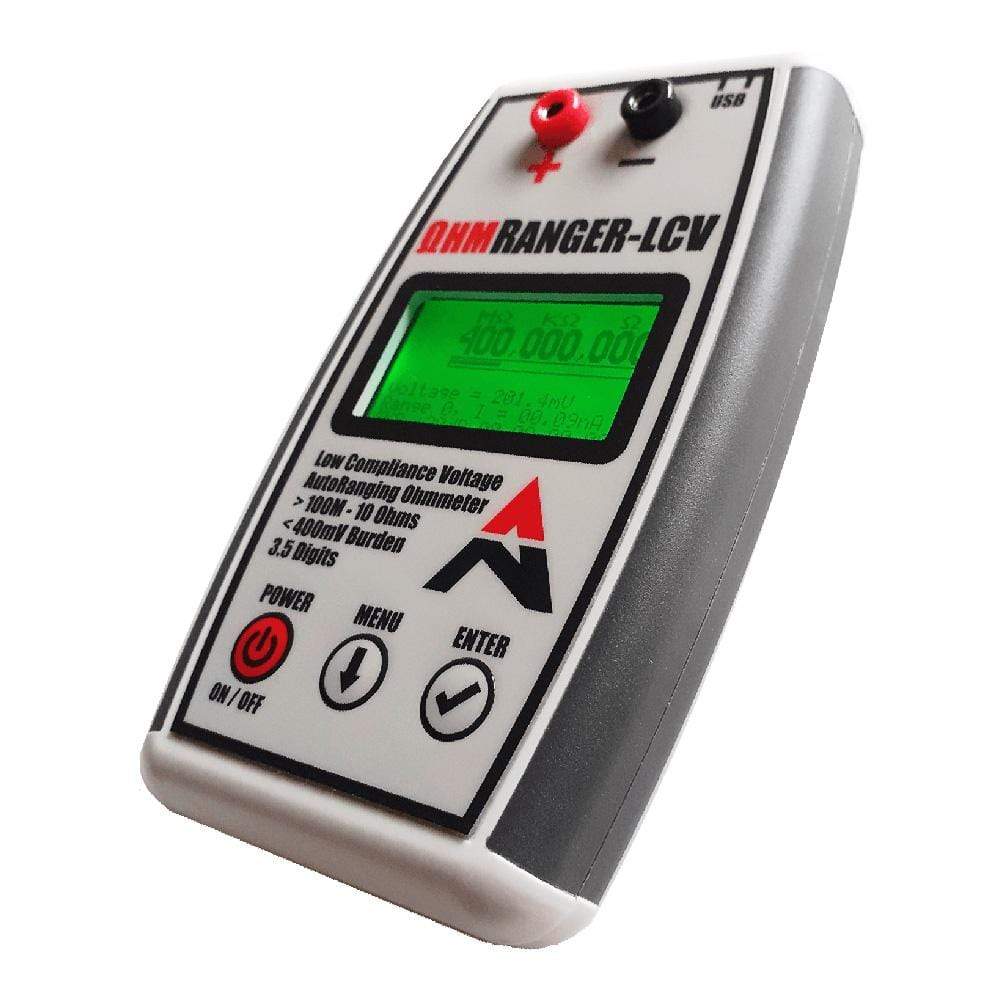
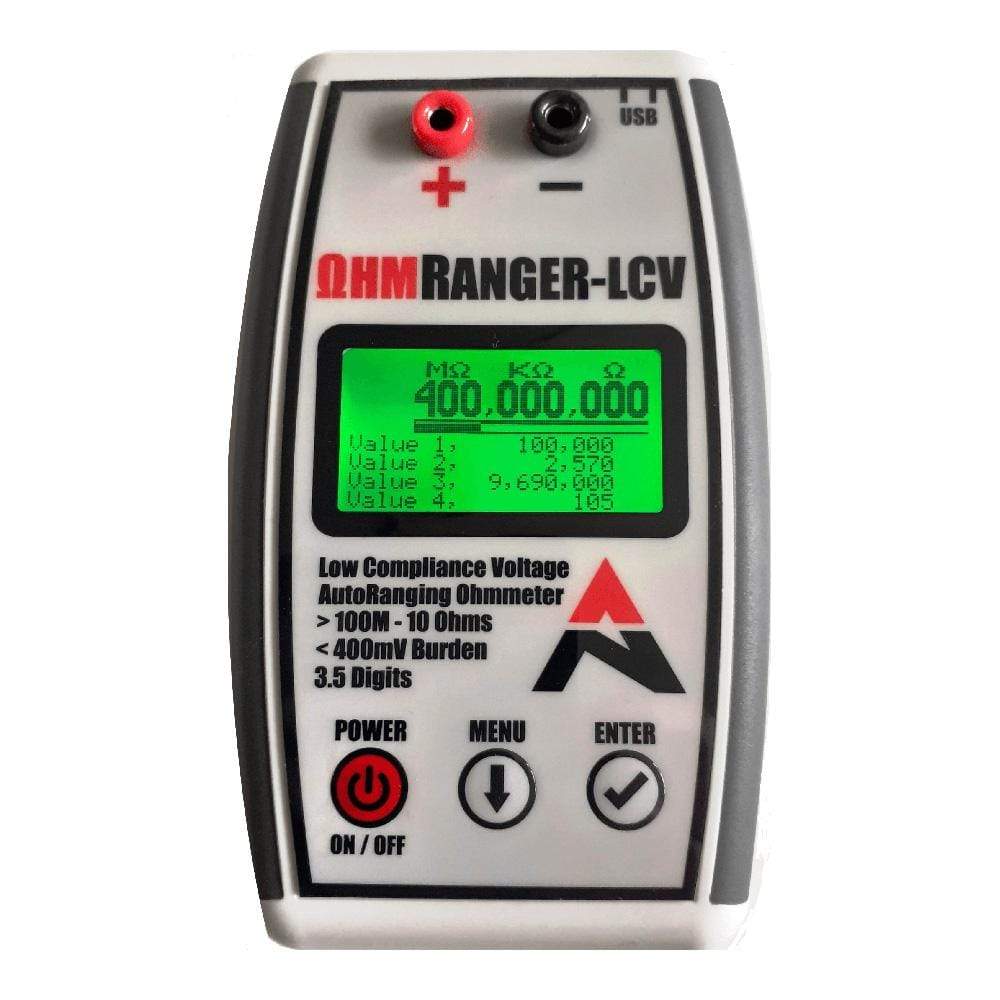
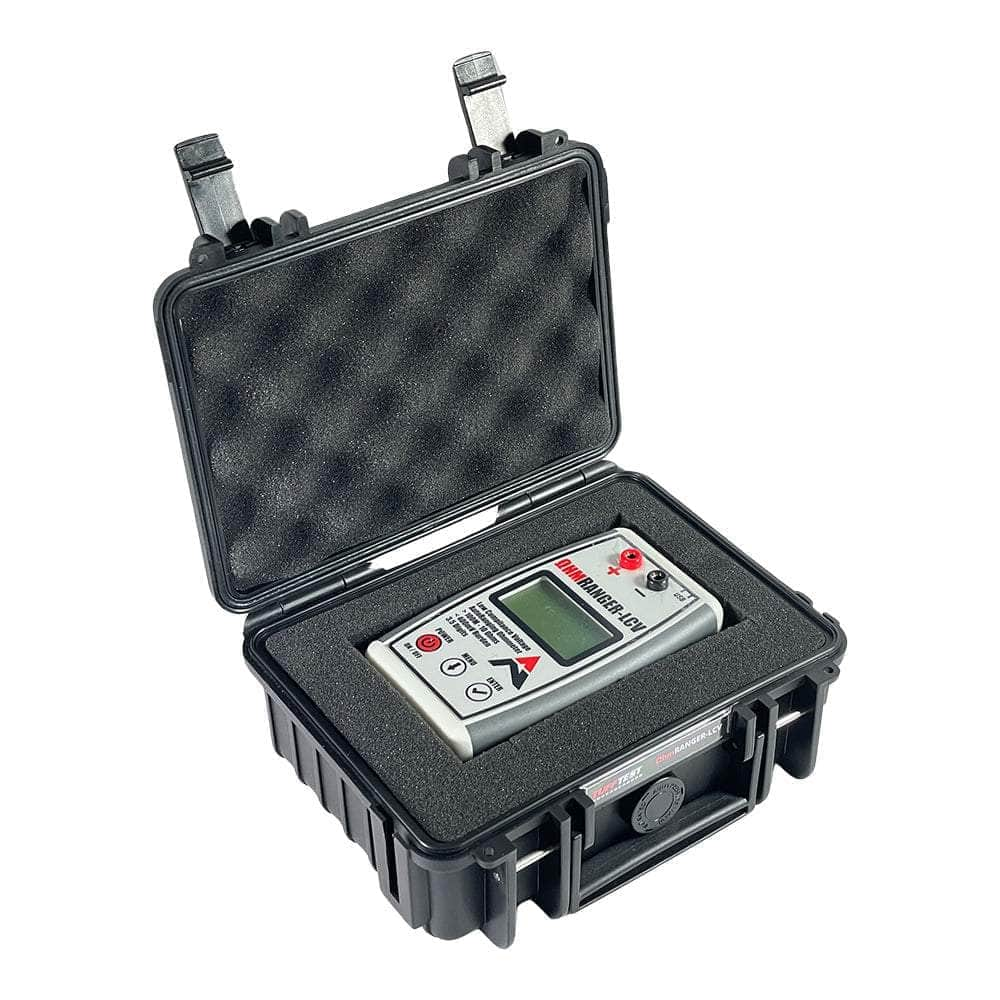
The AltoNovus ΩhmRanger-LCV (OR-01) is a handheld, low-compliance-voltage ohmmeter designed to measure resistance safely on sensitive devices such as Josephson junctions, nanowires and MEMS. It applies a selectable maximum stimulus of approx. 206 mV or 380 mV and limits current to ~30 mA to avoid forward-biasing or damaging delicate structures. Readings span 10 Ω to >100 MΩ.
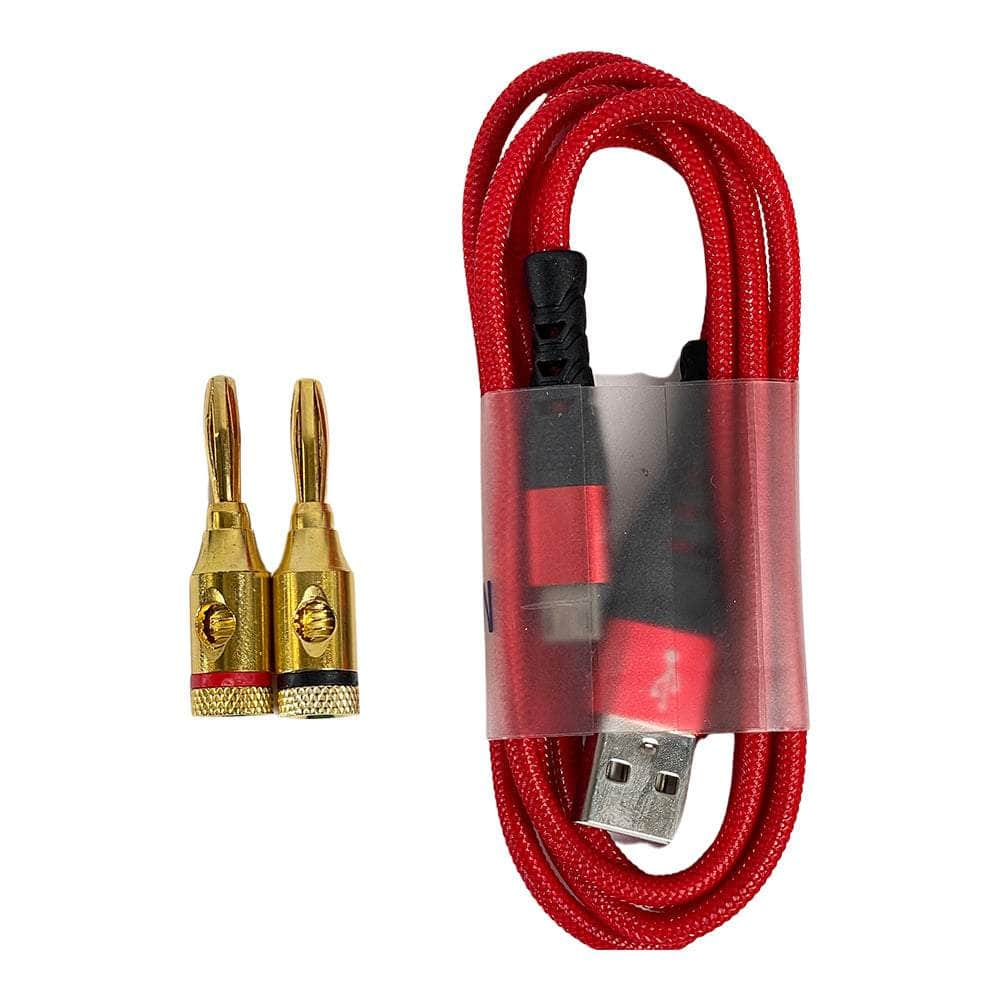
A backlit 128×64 display shows resistance, applied voltage and measured current, plus a Signal-to-Noise Ratio (SNR) indicator with min/max current samples. Readings update about every 400 ms and are built from 160 averaged samples to reduce 50/60 Hz hum. A fully isolated micro-USB port supports SCPI control and data export. Power is via two AA cells for around 150 hours, with auto power-off and adjustable backlight to extend battery life.
Why consider ΩhmRanger-LCV?
Where conventional DMMs may apply 3–10 V across a DUT, ΩhmRanger-LCV’s low-stimulus approach helps protect fragile junctions and cryogenic devices while providing practical, portable measurements. It is a focused alternative to using a benchtop SMU when you need quick, safe resistance checks without complex setup.
Related Products
- Resistance Meter Catalogue
- AltoNovus NanoRanger™ NR-01 Nanoammeter (companion DC current instrument)
- AltoNovus brand overview
Downloads
Why Engineers Choose The AltoNovus ΩhmRanger-LCV (TT-OR-01) Low-Compliance Voltage Ohmmeter
Protect Delicate Junctions
Automate & Log Safely
Faster Stable Readings
Der OhmRanger-LCV™ ist ein Spannungs-/Ohmmeter mit geringer Compliance, das die Prüfspannung unter 400 mV hält. Es kann Widerstände von 10 Ω bis 100 MΩ messen.
Der ΩhmRanger-LCV™ ist unverzichtbar, wenn Sie den Widerstand einer empfindlichen Komponente messen. Die meisten Ohmmeter legen eine Reizspannung von 3-10 V an das zu testende Gerät (DUT) an. Diese Reizspannung kann das zu untersuchende Gerät zerstören!
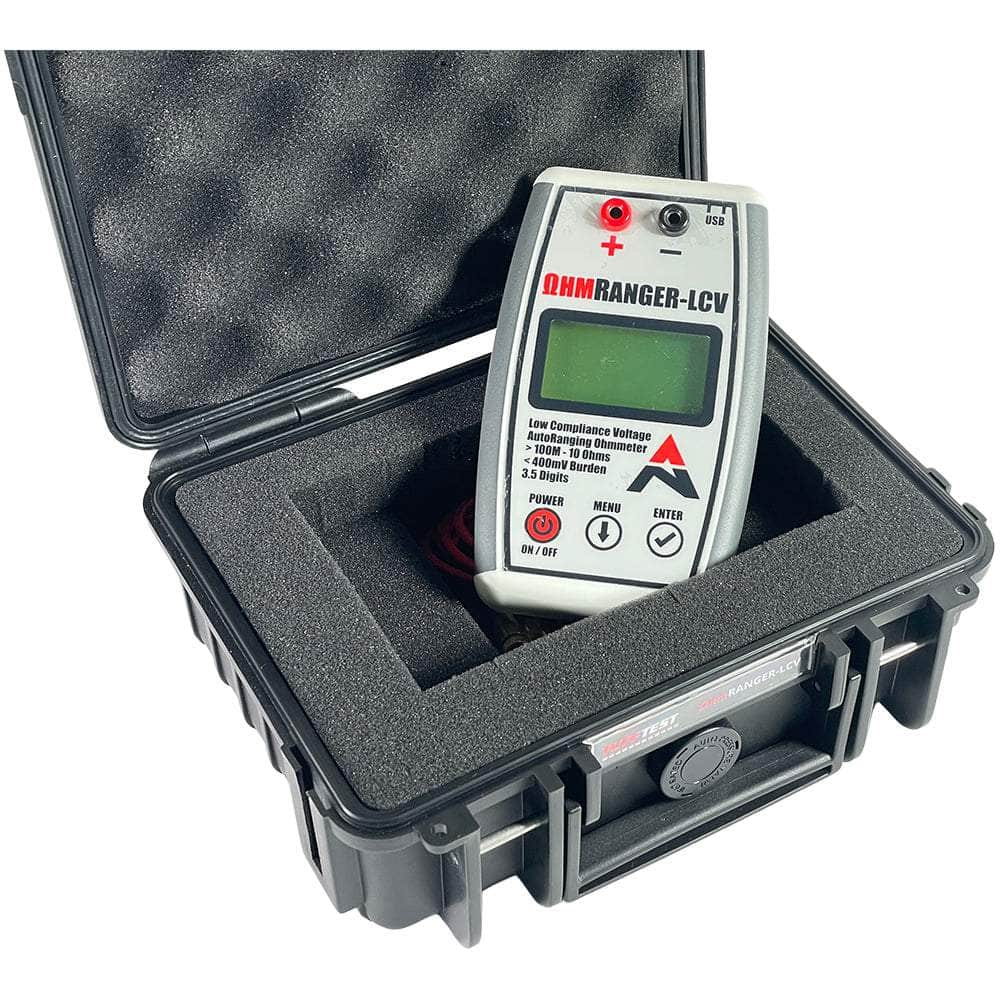
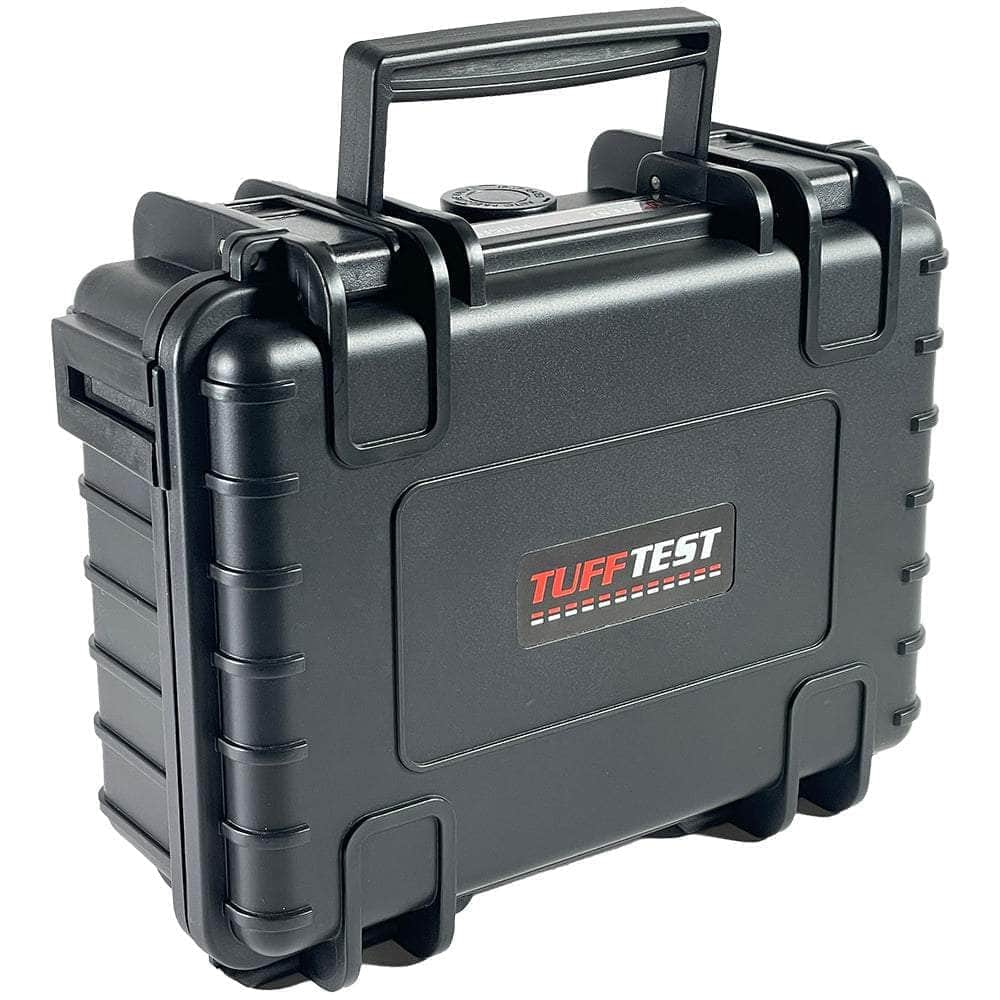
Der ΩhmRanger-LCV™ wird zur sicheren Aufbewahrung in einer robusten, schützenden Tragetasche geliefert.
| General Information | |
|---|---|
Part Number (SKU) |
TT-OR-01
|
Manufacturer |
|
| Physical and Mechanical | |
Weight |
0.3 kg
|
| Other | |
EAN |
5055383620371
|
Questions and Answers
-
Can I Automate Measurements or Log Data to a PC?
Yes. A fully isolated micro-USB port accepts SCPI-format commands for control and data export into scripts or logging tools. AltoNovus describes the command set as SCPI compatible with limited functionality, not fully SCPI compliant.
-
How Long Does the Instrument Run on Batteries?
Typical operation exceeds 150 hours on two AA cells, helped by an auto power-off timer and backlight control.
-
Is This a Replacement for an SMU (e.g. Keysight B2900, Keithley 2400)?
No. SMUs source/measure with flexible sweeps but are larger and costlier. ΩhmRanger-LCV is a focused, portable low-stimulus ohmmeter for safe resistance checks.
-
Does the USB Isolation Help Measurement Accuracy?
Yes. AltoNovus isolates the USB interface to prevent interference. Isolation also reduces ground loops and PC-coupled noise that would otherwise corrupt low-level measurements, which matters when the test current is down to nanoamps across high resistances.
-
What Certifications and Operating Conditions Apply to the ΩhmRanger-LCV?
It is certified UKCA, CE and FCC compliant. The operating environment is 0 to 50 °C, 10 to 90% RH non-condensing.
-
What Does “Low Compliance Voltage” Mean on the ΩhmRanger-LCV?
It limits the maximum voltage applied to the DUT to approximately 206 mV or 380 mV, depending on the setting. That reduces the risk of junction damage compared with multimeters, which apply several volts.
-
Why Use the ΩhmRanger-LCV for Josephson Junctions and Other Sensitive Devices?
These devices can be damaged by higher stimulus voltages. ΩhmRanger-LCV's low-stimulus design lets you check resistance without exceeding ~400 mV.
-
What Resistance Range Does It Cover?
From 10 Ω to greater than 100 MΩ, suitable for contacts, thin films, sensors and wiring.
-
How Fast Are Readings and How Is Noise Handled?
Displays update about every 400 ms and average 160 samples to reduce 50/60 Hz mains hum for stable results.
-
What Is the SNR Readout For?
It quantifies noise on the signal and shows minimum/maximum current during a reading, helping diagnose pickup and optimise fixturing and shielding.
No questions match your search.