
Tag-Connect, LLC
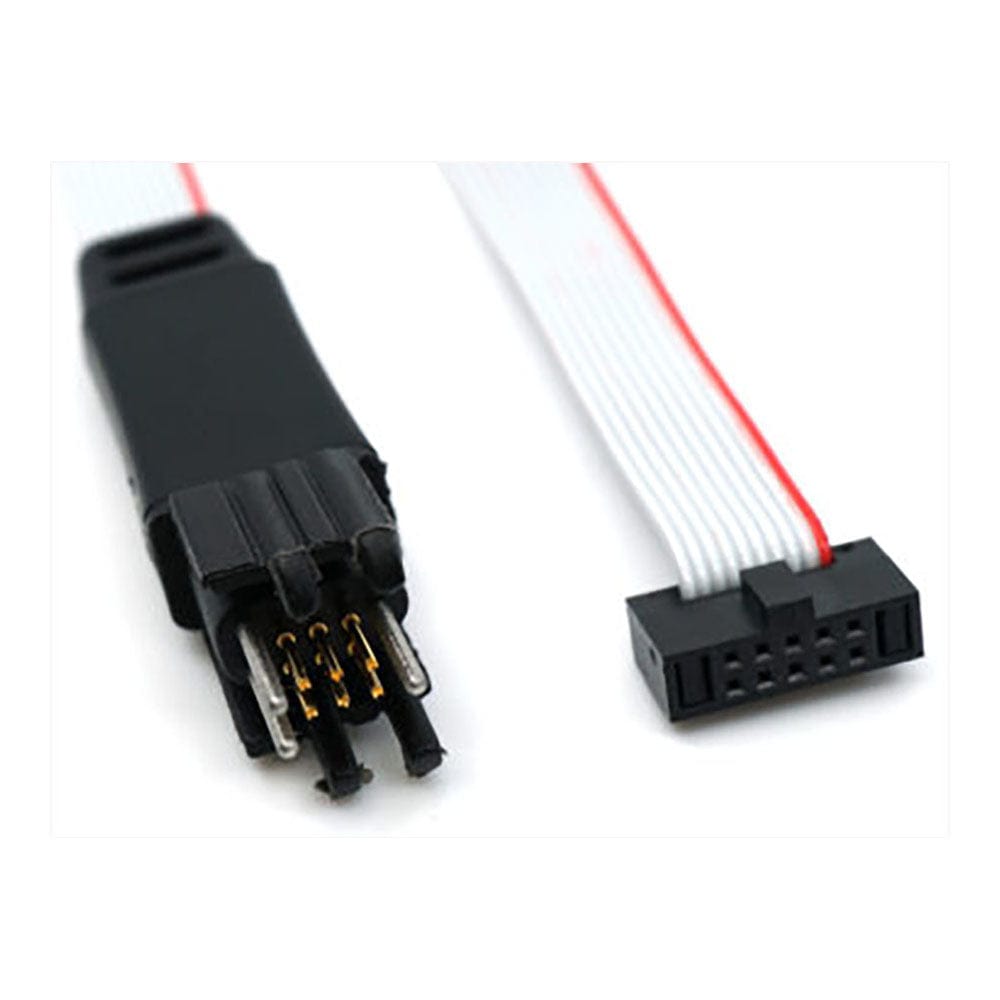
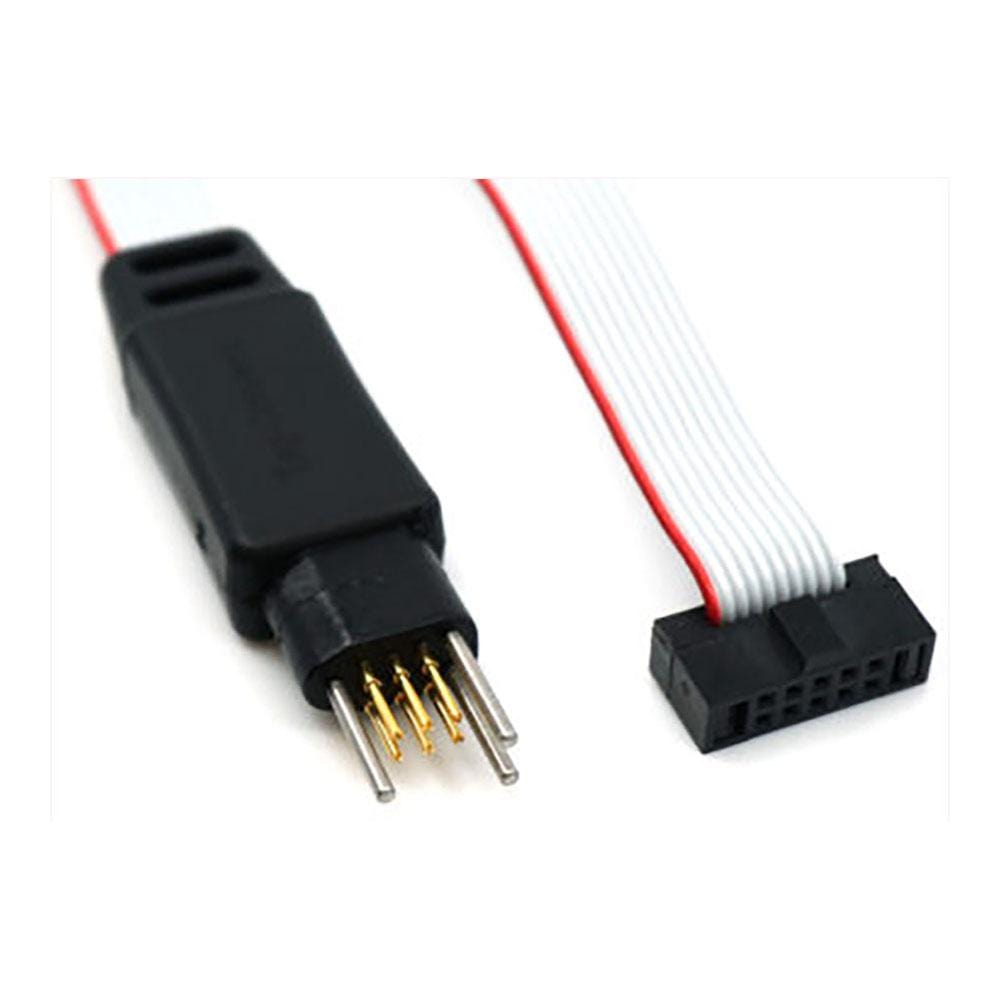
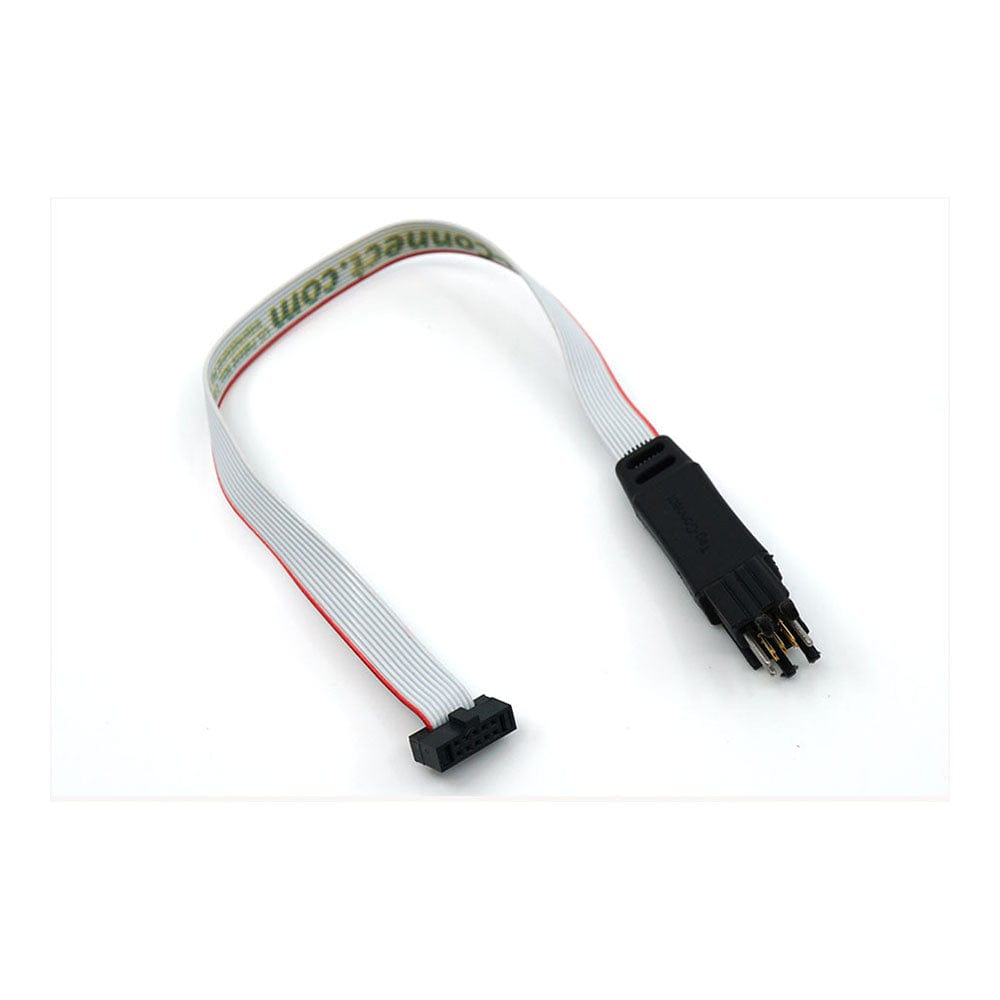
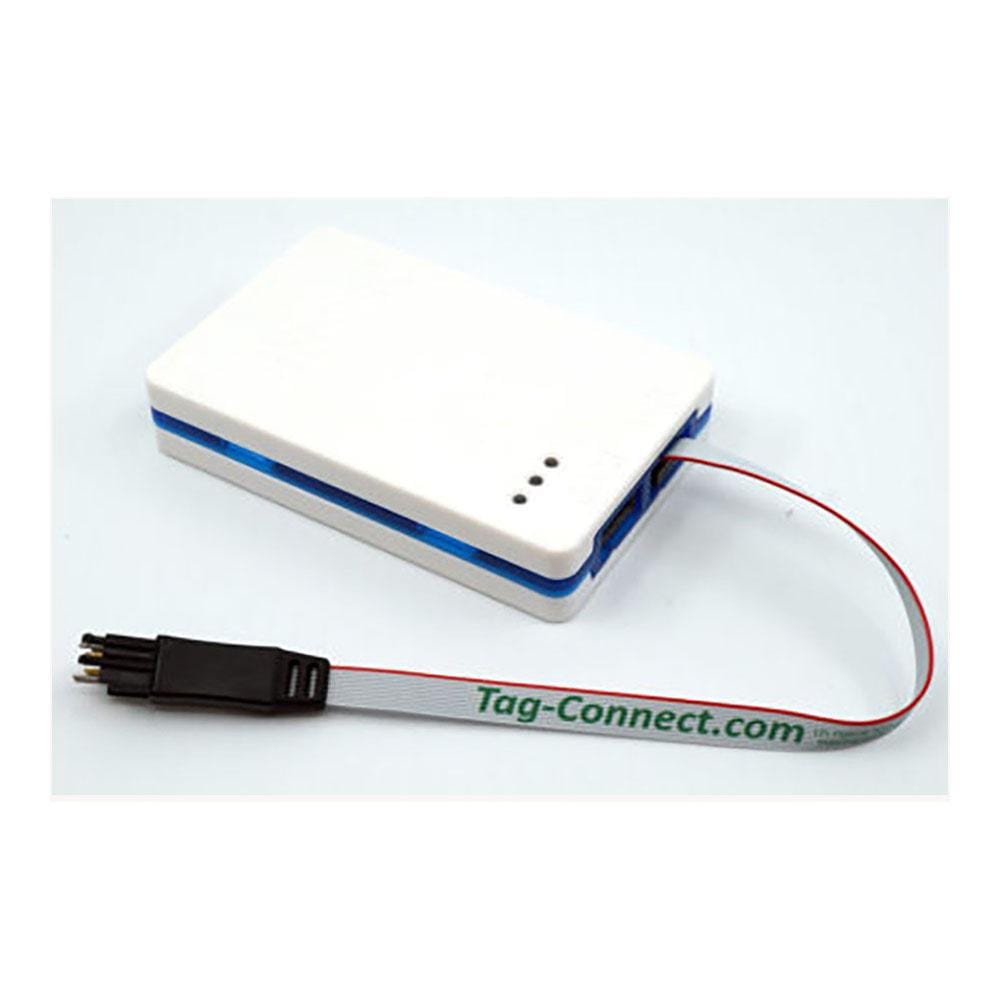
Tag-Connect TC2030-ICESPI 6-Pin Cable for Atmel-ICE
Tag-Connect TC2030-ICESPI 6-Pin Cable for Atmel-ICE
SKU: TC2030-ICESPI
Couldn't load pickup availability
Key Features
Overview
Downloads
Professional AVR Development Solution
The TC2030-ICESPI programming cable represents the pinnacle of professional AVR microcontroller development tools. Engineered specifically for Atmel-ICE compatibility, this cable bridges the gap between sophisticated debugging hardware and space-constrained embedded designs. The innovative Tag-Connect technology eliminates traditional programming headers whilst maintaining the reliability and functionality demanded by professional development environments.
Comprehensive Protocol Support
Supporting the complete spectrum of AVR programming interfaces, the TC2030-ICESPI ensures compatibility across the entire AVR microcontroller family. From classic ATmega devices using SPI and debugWIRE protocols to modern tinyAVR chips supporting TPI and UPDI interfaces, this single cable serves diverse development requirements.
Wiring Quick-Start Guide
Connecting the TC2030-ICESPI requires careful attention to the Atmel-ICE's unique pin arrangement. The 10-pin IDC connector features reversed pin numbering compared to standard ARM debug connectors, necessitating the LEMTA version for proper operation.
| TC2030 Pin | Signal | Atmel-ICE Pin | Description |
|---|---|---|---|
| 1 | MISO/TDO | 3 | Master In, Slave Out / Test Data Out |
| 2 | VTG | 4 | Target voltage reference |
| 3 | SCK/TCK | 1 | Serial Clock / Test Clock |
| 4 | MOSI/TDI | 9 | Master Out, Slave In / Test Data In |
| 5 | /RESET | 6 | Target reset (active low) |
| 6 | GND | 2,10 | Ground reference |
PCB Footprint Implementation
The TC2030 footprint requires precise implementation to ensure reliable mechanical and electrical connections. The design incorporates six contact pads with specific dimensions and four alignment holes for the legged connector variant.
Programming Protocol Details
SPI Interface Programming
The Serial Peripheral Interface provides the foundation for AVR programming across all device variants. Operating at frequencies up to 5MHz, SPI programming offers robust, reliable firmware updates with comprehensive fuse and lock bit control.
// SPI Programming Sequence Example // 1. Assert RESET (low) // 2. Apply programming enable sequence // 3. Poll for programming mode acknowledgment // 4. Execute memory operations // 5. Release RESET to exit programming modedebugWIRE Interface
The debugWIRE protocol transforms the RESET pin into a bidirectional debugging interface, enabling real-time program execution control, breakpoint management, and memory inspection without additional hardware pins.
PDI Protocol for XMEGA Devices
Program and Debug Interface provides high-speed programming and debugging for XMEGA microcontrollers. Using a two-wire interface with clock and bidirectional data signals, PDI enables efficient flash, EEPROM, and configuration memory access.
Production Programming Considerations
For high-volume production environments, the TC2030-ICESPI-NL no-legs variant offers rapid programming cycles without mechanical wear on PCB footprints. The legged version excels in development scenarios requiring extended debugging sessions with hands-free operation.
Signal Integrity and Performance
The 6-inch cable length represents an optimal balance between flexibility and signal integrity. High-frequency programming protocols benefit from minimised transmission line effects, whilst the ribbon cable construction provides controlled impedance characteristics essential for reliable data transmission.
Compatibility and Ecosystem Integration
Beyond Atmel-ICE compatibility, the TC2030 ecosystem includes variants for SEGGER J-Link, ST-LINK, and PICkit programmers. This standardisation enables consistent PCB footprints across diverse debugging tool requirements, simplifying design validation and production programming workflows.
Which cable fits your debugger? See our Tag-Connect cable guide.
| General Information | |
|---|---|
Part Number (SKU) |
TC2030-ICESPI
|
Manufacturer |
|
| Physical and Mechanical | |
Weight |
0.1 kg
|
| Other | |
EAN |
5055383665204
|
Questions and Answers
-
What's the Maximum Programming Speed Supported by This Cable?
Tag-Connect does not publish a speed for this passive cable, so the limits are those of the Atmel-ICE itself (figures from Microchip's Atmel-ICE user guide).
Interface Atmel-ICE clock range SPI 8 kHz to 5 MHz PDI 32 kHz to 7.5 MHz debugWIRE 4 kbit/s to 500 kbit/s JTAG Not carried by this 6-pin cable -
How Does the Legged Connector Attach to the PCB Securely?
Four legs snap into holes in the PCB footprint and hold the cable in place, while three locating pins align the spring pins with the pads. Exact hole sizes are in Tag-Connect's footprint drawings.
-
Is the TC2030-ICESPI Compatible with Arduino Development?
Any AVR board carrying the TC2030 footprint can be programmed with this cable, including Arduino-based designs, using Microchip Studio (formerly Atmel Studio).
-
What Cable Length Is Optimal for Signal Integrity?
Tag-Connect does not publish a length for this cable and offers no longer ICESPI variant. Contact us for custom lengths.
-
What Programming Protocols Does the TC2030-ICESPI Cable Support?
The cable carries SPI, TPI, PDI, aWire and debugWIRE, which covers classic ATmega and ATtiny devices.
UPDI. UPDI parts (modern tinyAVR and megaAVR 0/1-series) are not listed by Tag-Connect for this cable. -
What's the Difference Between TC2030-ICESPI and TC2030-ICESPI-NL Versions?
The standard version has four plastic legs that clip into PCB holes for hands-free debugging. The NL (no-legs) version must be held by hand or with clip boards, and suits rapid production programming.
-
Why Do I Need the LEMTA Version for Atmel-ICE Debuggers?
Atmel-ICE has reversed (non-standard) pin numbering on its 10-pin connectors, and LEMTA cables have the IDC connector fitted backwards to correct this.
Choose the LEMTA version for any Atmel-ICE (Basic, Full Kit or Embedded). This cable is for the AVR port only.
Your debugger or port Tag-Connect cable Atmel-ICE, 6-pin AVR port TC2030-ICESPI (LEMTA), this cable Atmel-ICE, 6-pin SAM port TC2030-CTX (LEMTA) SEGGER J-Link, ST-LINK TC2030-IDC with the ARM20-CTX adapter PICkit 4/5 or SNAP (AVR) TC2030-PKT-ICESPI Legacy AVR 10-pin tools with standard numbering Normal-orientation TC2030-ICESPI -
What PCB Footprint Modifications Are Required for TC2030 Connectors?
The footprint needs six contact pads, three alignment holes (0.039 in) and four leg holes (0.0935 in). Tag-Connect supplies Altium, PADS and EAGLE library files, and the full dimensions are in its footprint drawing.
-
Can This Cable Work with Other Debuggers Besides Atmel-ICE?
Not this LEMTA version. It's optimised for Atmel-ICE, and other debuggers need different variants with the right connectors. See Debug Store's Tag-Connect catalogue for alternatives.
No questions match your search.