
SEGGER Microcontroller GmbH
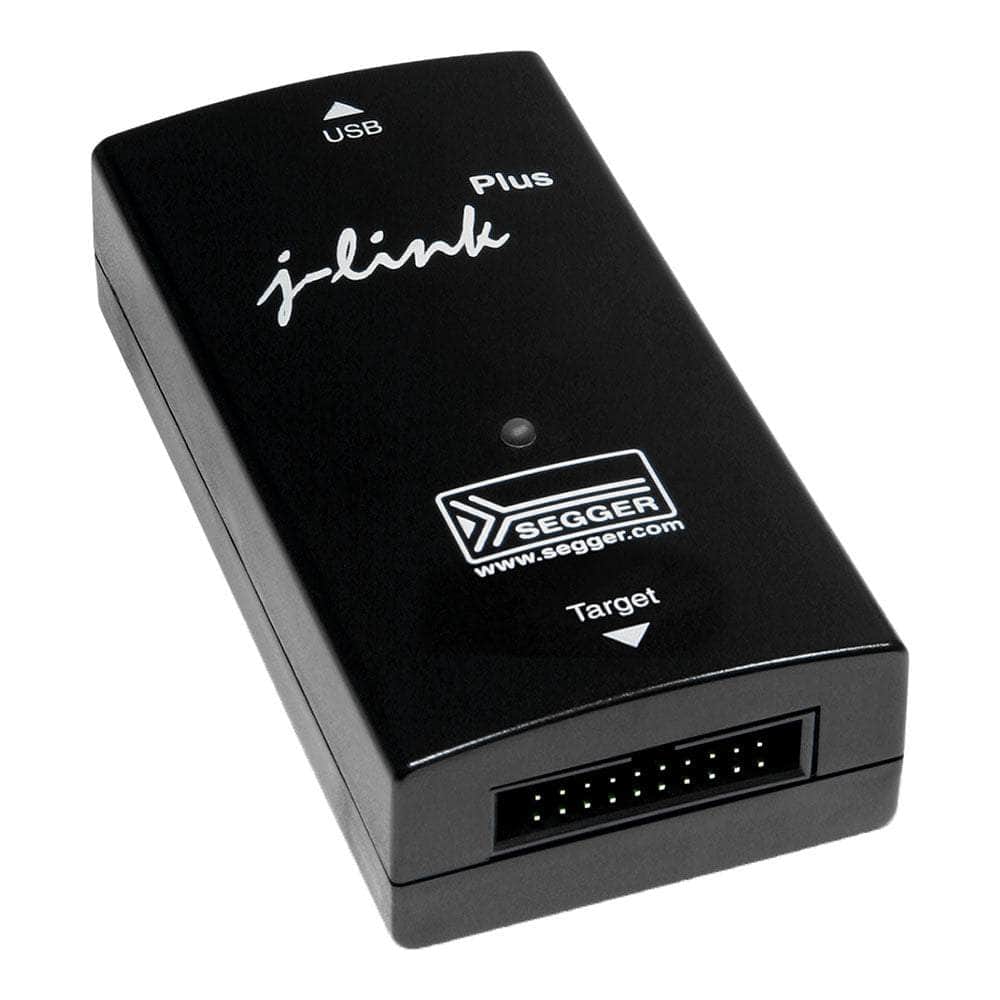
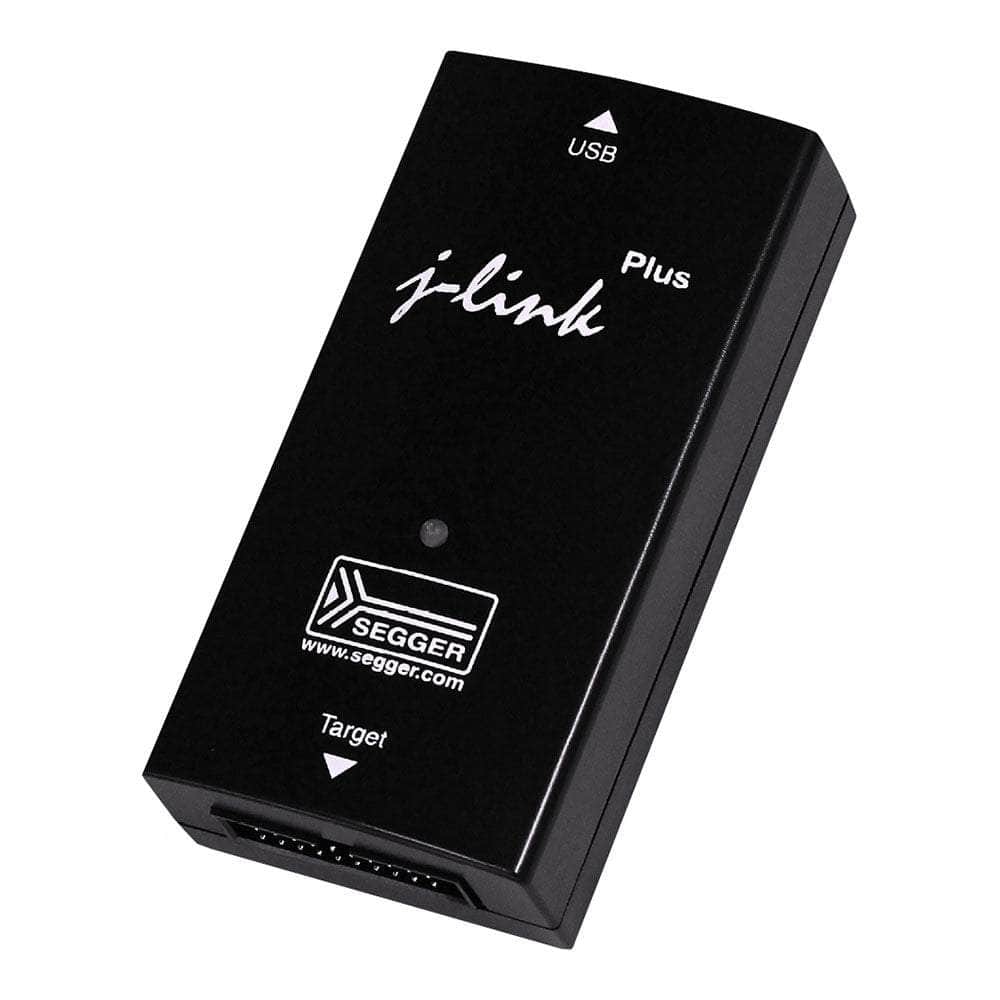
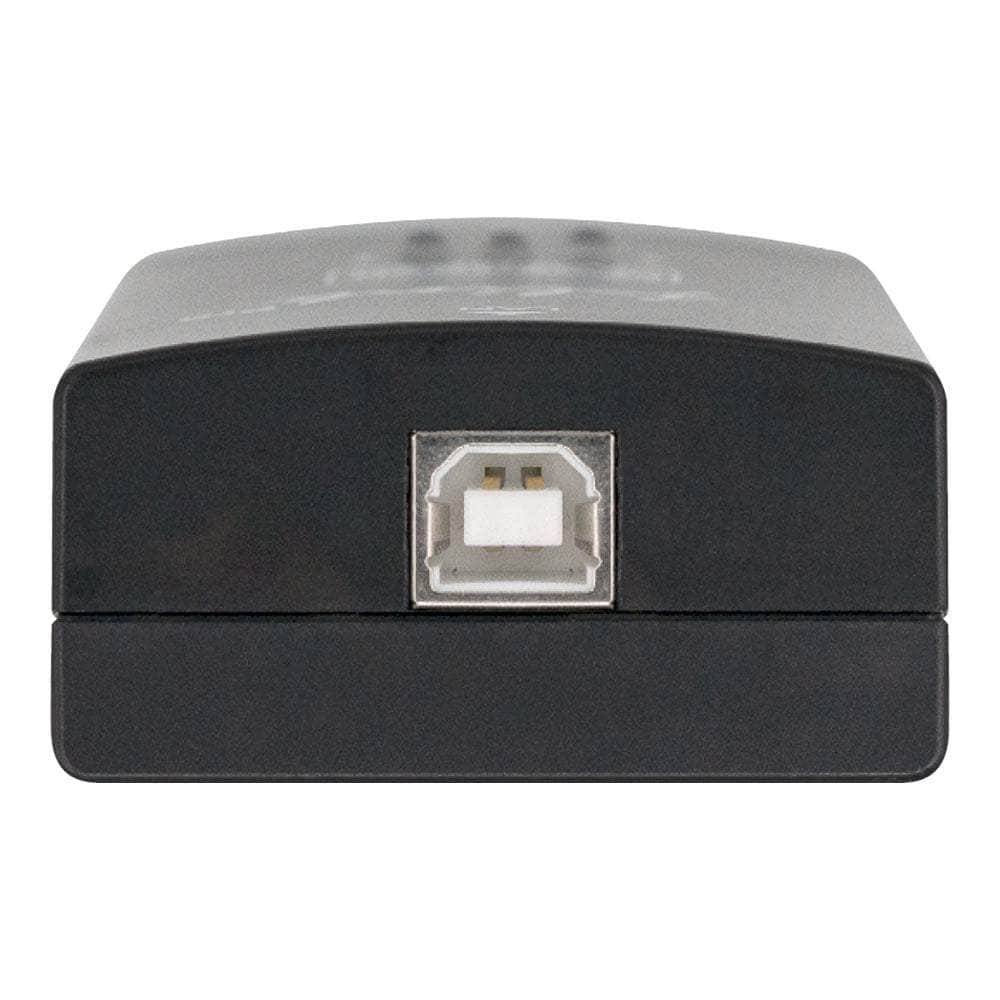
SEGGER J-Link PLUS Classic – USB JTAG/SWD Debug Probe
SEGGER J-Link PLUS Classic – USB JTAG/SWD Debug Probe
SKU: 8.08.28
Couldn't load pickup availability
Key Features
Overview
The SEGGER J-Link PLUS Classic (SKU 8.08.28) is a high-performance JTAG/SWD debug probe for professional embedded development. It supports a wide range of CPU families including Arm® Cortex-M/R/A, Renesas RX and Microchip PIC32, and works seamlessly with major IDEs such as Keil MDK, IAR Embedded Workbench, SEGGER Embedded Studio and Eclipse/GDB.
Why Choose J-Link PLUS
PLUS includes integrated licences for Unlimited Flash Breakpoints and J-Flash, enabling efficient debugging when code runs from flash and production-grade device programming without extra purchases. Real-Time Transfer (RTT) and SWO provide high-speed application insight without instrumenting UARTs, while VCOM can expose a virtual serial port during SWD sessions. Typical performance is up to 15 MHz target interface speed with fast RAM downloads.
Part of the J-Link Family
PLUS is available in two identical-function housings: Classic (this model) and PLUS Compact. Need Ethernet or higher-speed trace workflows? See J-Link PRO. On a tighter budget? Consider J-Link BASE Classic. You can also upgrade BASE to PLUS later.
How it connects
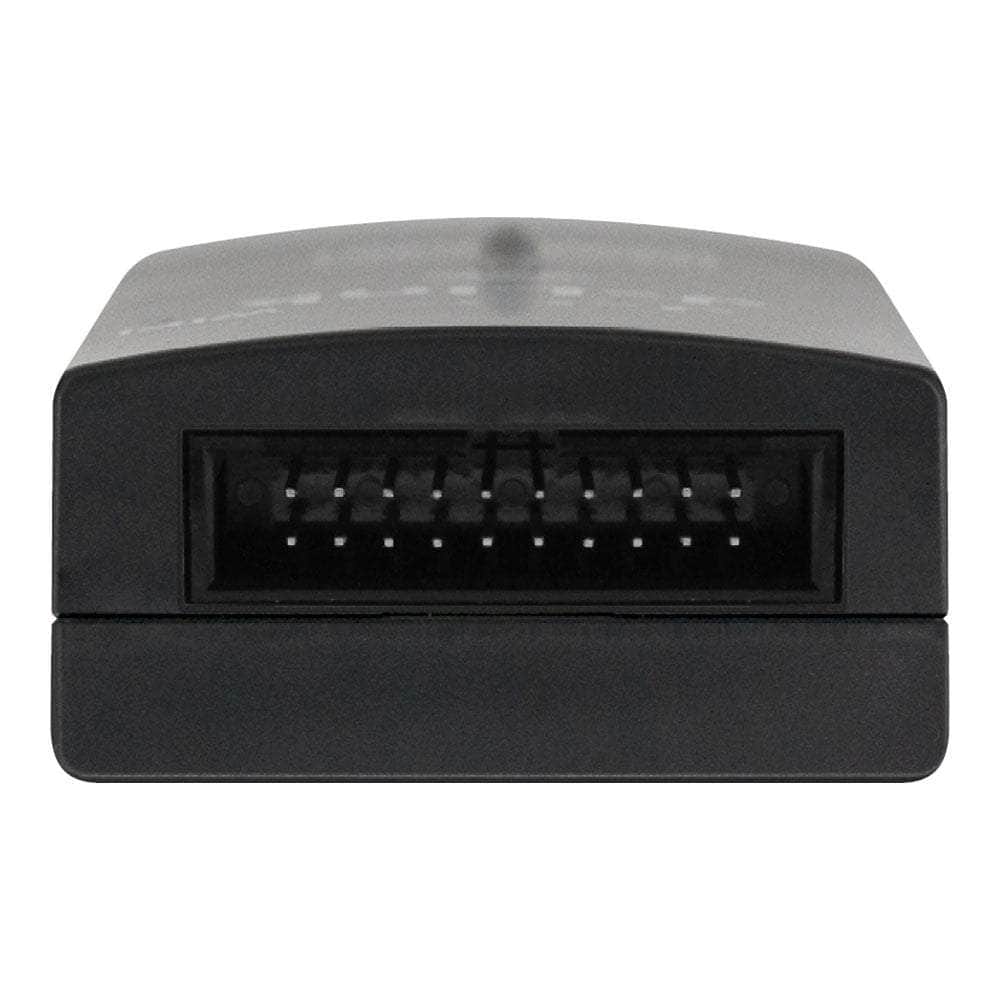
This J-Link uses SEGGER's standard 20-pin 0.1" (2.54 mm) JTAG/SWD connector, the same connector used on every J-Link and Flasher. For SWD you need VTref (pin 1), SWDIO (pin 7), SWCLK (pin 9), nRESET (pin 15) and GND (pin 4), plus SWO (pin 13) if you want trace output. Full JTAG, SWD, cJTAG and SPI pin tables, and the adapters for 10-pin 0.05" Cortex Debug headers: SEGGER J-Link 20-pin connector pinout.
Downloads
Why Engineers Choose The SEGGER J-Link PLUS Classic – USB JTAG/SWD Debug Probe
Standardise Across Projects
Debug From Flash Reliably
Production Ready Today
Frequently Asked Questions
Have a Question?
-
What’s the typical interface speed?
PLUS typically runs up to 15 MHz JTAG/SWD with fast RAM download rates, sufficient for most Cortex-M workflows.
-
What is the difference between the Classic vs Compact?
Classic and Compact have identical function; choose the housing that best fits your bench or fixture space.
-
Can I script production programming?
Yes. Use J-Flash and command-line tools to integrate verification and logs into automated build/test stations.
-
Is a Virtual COM Port available?
Yes. VCOM can be enabled to bridge a target UART over USB during SWD sessions, reducing extra cabling.
-
Can J-Link PLUS power my target?
Yes—via the 20-pin ARM header’s power pin with overload protection. Dedicated adapters are available for fixed 5 V or adjustable supplies.
-
How does PLUS compare with Keil ULINKpro?
The ULINKpro adds ETM instruction trace and streaming trace for deep code coverage analysis. J-Link PLUS focuses on fast JTAG/SWD, broad IDE support and bundled licences at a lower tier.
-
How does PLUS compare with J-Link PRO or ULTRA+?
The PRO/ULTRA+ add higher interface clocks and advanced options suited to trace-heavy, high-throughput environments. PLUS covers most daily debug and programming tasks.
-
How does PLUS differ from BASE?
PLUS includes licences for Unlimited Flash Breakpoints and J-Flash. BASE lacks these, making PLUS better for flash-based debugging and production programming.
-
What IDEs are supported?
Keil MDK, IAR Embedded Workbench, SEGGER Embedded Studio and Eclipse/GDB-based environments are supported, among others.
-
Does the J-Link PLUS Classic support RISC-V?
Yes, J-Link software supports RISC-V in the J-Link family. For this model, check your device on SEGGER’s supported-devices list.